Blog

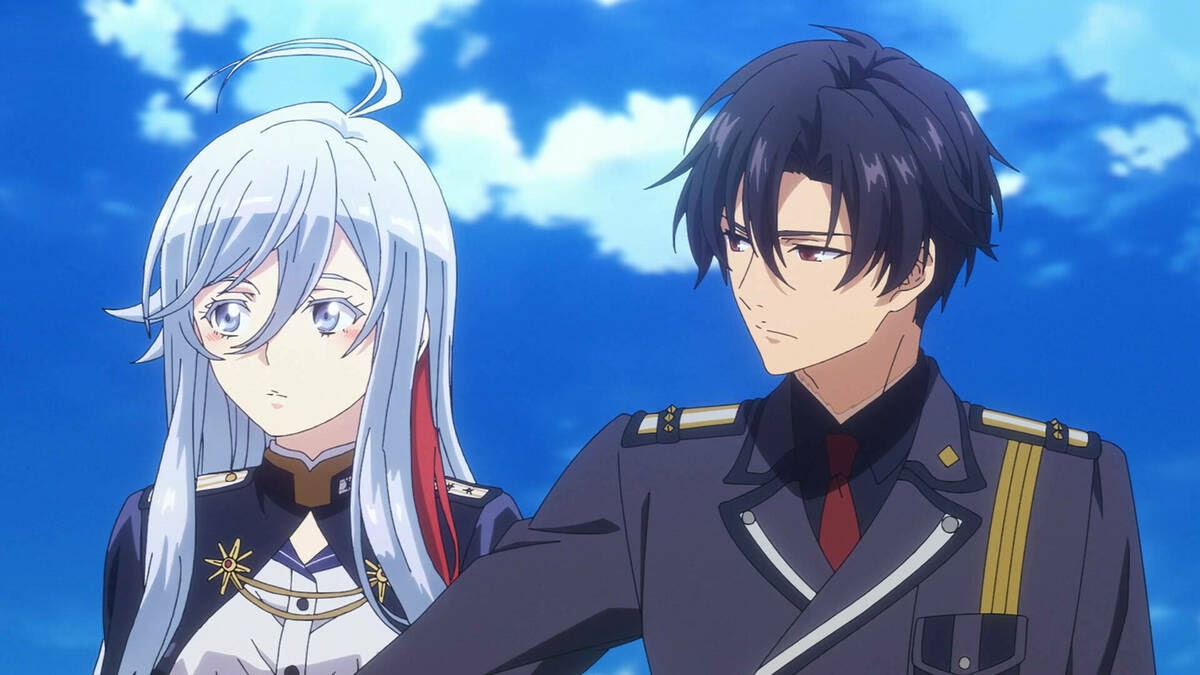
  • Will 86: Eighty-Six Get a Season 2? Here’s Everything We Actually Know

    Will 86: Eighty-Six Get a Season 2? Here’s Everything We Actually Know

    Four years is a long time to wait. Season 1 of 86: Eighty-Six wrapped up in March 2022 and left one of the most passionate fandoms in recent anime history with no official word on what comes next. The story of Shin, Lena, and the Spearhead Squadron feels genuinely unfinished. The anime adapted only the first three volumes across its two cours, leaving 11 volumes of completely unadapted material, with Volume 14 released in Japan in September 2025, yet confirmed news has been nearly nonexistent. Here’s the full picture as of 2026.

    Where Things Stand Right Now

    As of today, Season 2 has not been officially confirmed by A-1 Pictures, Aniplex, or the 86 production committee. No director, no episode count, no air date, and no trailer have been announced through any official channel. That’s the straightforward answer, and it’s worth being clear about because the space around this show has attracted a lot of noise.

    The most attention-grabbing recent development came in January 2026, when Heiwa Gaming Machine Division announced an official pachinko adaptation of 86, the first of its kind for the franchise. Reaction from fans ranged from dark humor to genuine frustration since pachinko adaptations typically signal a franchise entering a licensing-maintenance phase rather than active anime production. It was not the sequel announcement anyone wanted.

    On top of that, May 12, 2026 brought more bad news when 86 was abruptly removed from Crunchyroll and Netflix in multiple regions with no warning, no explanation, and a full 404 error rather than the standard locked-page treatment the platform usually applies to licensing expiries. The Blu-ray sold out across Amazon, Walmart, Best Buy, and Barnes and Noble almost immediately after.


    The Signals People Are Pointing To

    The noise around a potential Season 2 has been loud enough that it’s worth separating from the actual facts. On April 1, 2025, a post on X by user @DuxSins claimed that Season 2 had been officially announced for 2026 broadcasting with an announcement visual by series illustrator Shirabii. It spread fast across X, Instagram, and Facebook anime pages before people realized it had gone up on April Fools’ Day with zero sourcing from Aniplex, A-1 Pictures, or any official channel

    That same summer, mid-2025 rumors started circulating across social media again, with fan accounts on Instagram and Facebook pages, including OtakuKart’s own coverage, claiming that production insiders had confirmed Season 2 was underway and targeting a 2026 broadcast. None of it was ever verified.

    Toshimasa Ishii, who directed Season 1, has not taken on a full directing credit since 86 wrapped in 2022. His work since then has been limited to individual storyboard and episode direction contributions across various shows, most recently a single episode on Maou 2099 in Fall 2024. That’s a notable gap for someone of his caliber, which again cuts both ways. It could mean he’s quietly in pre-production on something, or simply that he’s between projects.

    What is confirmed is that Season 1 ran into repeated delays during its later episodes, with the final episodes pushed multiple times into early 2022, a sign of how much pressure the production was already under. Studios don’t greenlight sequels until they’re confident the pipeline can handle it.


    The Commercial Reality

    Disc sales tell part of the story, though complete data is hard to pin down. What is publicly available shows Volume 1 selling around 1,754 copies and Volume 2 around 1,820 copies in their respective first weeks in Japan, both figures below the informal 3,000-unit-per-volume threshold that anime communities have long treated as the benchmark production committees use when fast-tracking sequels.

    What works in the show’s favor is that disc sales are no longer the only metric that matters. Streaming data from Crunchyroll and Netflix carries increasing weight in sequel decisions, and 86 has consistently landed in conversations about the best anime of the 2020s. The global audience that loves this show exists and is vocal. Whether that audience translates into the kind of commercial signal the production committee needs is the question nobody outside the room can answer.


    What Would Season 2 Actually Cover?

    The light novels give the clearest picture of what a Season 2 would actually look like, though how much ground gets covered depends entirely on the episode count. Season 1 adapted Volumes 1–3 across 23 episodes, with Volume 1 receiving almost half the season. Given 86’s slower, character-focused pacing, a standard 12–13-episode season would likely focus on Volume 4, while adapting Volumes 4 and 5 together would require tighter pacing or additional episodes.

    The cover for 86: Eighty-Six Volume 14

    Volume 4, titled Under Pressure, opens with Lena and Shin finally in the same physical space for the first time, leading the newly formed Eighty-Sixth Strike Package together into a subterranean Legion base. Volume 5, titled Death Be Not Proud, then sends the Strike Package to the frozen United Kingdom of Roa Gracia where Shin confronts a Legion unit built from someone he knew personally.

    It’s also worth keeping in mind that Asato Asato is still writing the light novels, but the series has already entered its final arc. That means the story is moving toward its conclusion, and by the time a new anime season gets the green light, there should be plenty of finished material waiting to be adapted.


    The Honest Probability Assessment

    Taking everything together, a Season 2 happening eventually is more likely than not, though the timeline remains genuinely unclear. The franchise is too beloved, too globally recognized, and too narratively incomplete for a production committee with commercial sense to simply walk away from it. But “eventually” and “soon” are very different things.

    If no official announcement has arrived by the end of 2026, a 2027 or 2028 broadcast slot becomes the most realistic window given standard production pipelines. The streaming removal, while frustrating, has historical precedent and is most likely a licensing expiry rather than an intentional signal in either direction. After all, shows come back to platforms all the time.

    The fanbase has earned this sequel through four years of patience. Whether the production committee agrees is a decision that belongs entirely to them, and so far they’ve stayed quiet.

  • 10 Anime Like Smoking Behind the Supermarket with You

    10 Anime Like Smoking Behind the Supermarket with You

    Smoking Behind the Supermarket with You works because it understands something most romance anime don’t bother with: the specific comfort of finding one person you can be completely normal around. No grand gestures, no manufactured drama, just two people in a quiet corner of the world having conversations that actually go somewhere.

    Unfortunately, that’s a harder thing to replicate than it sounds, which is why finding something to watch after it can feel surprisingly difficult. This list pulls together ten anime that share at least one piece of what makes Smoking Behind the Supermarket with You work, whether that’s the adult setting, the slow burn, the hidden double life, or just two unlikely people gravitating toward each other in the same spot.

    1. Wotakoi: Love is Hard for Otaku

    Narumi has just started a new job, but she’s already keeping a secret. She’s a hardcore fujoshi, and every boyfriend she’s had has dumped her as soon as they find out. On her first day, she runs into Hirotaka, a childhood friend who’s just as obsessed with gaming, and by the end of episode one, they’re dating. It sounds like it skips over the usual buildup, but that’s kind of the point. The show isn’t about the confession itself; it’s about what comes after.

    The comparison to Smoking Behind the Supermarket with You comes down to one thing. Both shows are about adults who need somewhere private to drop the version of themselves they show the world. A smoking area behind a supermarket, a corner booth at a bar after work. A-1 Pictures produced the 11-episode series in 2018, and it holds a 7.9 on MAL with fans consistently praising how refreshingly undramatic the whole thing is. If you watched Smoking Behind the Supermarket with You and immediately wanted more adult characters actually talking to each other like real people, start here.

    2. After the Rain

    Akira is a teenage track star whose career got cut short by an injury, and now she works part-time at a family restaurant with zero enthusiasm for basically anything. Her manager, Kondo, is 45, divorced, bumbling, makes dad jokes constantly, and has absolutely no idea she’s fallen for him. The age gap is upfront, and the show doesn’t pretend it isn’t there, but what actually drives the story is something quieter than a romance. Two people who both abandoned something they loved, stuck in the same rainy corner of Yokohama, slowly pulling each other back toward the things they’d given up on.

    Wit Studio handled the animation and went all in on rain-soaked visuals and tight close-ups that give the whole thing a literary quality you don’t expect from a 12-episode series. The manga had over 2 million copies in circulation by the time the anime aired in early 2018, and the ending theme by Aimer became genuinely iconic in its own right. If the workplace dynamic and age gap in Smoking Behind the Supermarket with You are what hooked you, this one scratches exactly that itch.

    3. Recovery of an MMO Junkie

    Moriko Morioka quit her corporate job at 30 after 11 years and has absolutely no regrets about it. She spends her days in her apartment playing an MMO as a handsome male avatar named Hayashi, forming a close bond with a female healer called Lily. The twist is that Lily is actually a guy named Yuta who keeps running into the real Moriko at the convenience store down the street, neither of them realizing they already know each other pretty well.

    It sounds like a gimmick, but the show handles it with a lot of warmth and zero melodrama. The adult cast, the low-stakes humour, and the way both characters are clearly using the game as a pressure valve for real-life exhaustion are exactly what make it feel like a natural follow-on from Smoking Behind the Supermarket with You.

    4. My Senpai is Annoying

    Doga Kobo, the studio behind Oshi no Ko and Gekkan Shoujo Nozaki-kun, has a specific talent for making workplace settings feel genuinely warm and lived-in rather than just a backdrop for romance. That’s exactly what they brought to this one. Futaba is a small, sharp office worker who gets mistaken for a child constantly, and her senpai Takeda is enormous, loud, and completely oblivious to how she feels about him despite the fact that literally everyone else in the office has already figured it out.

    The reason it sits on this list is that the show is less about whether they’ll get together and more about the small daily rituals of two people who genuinely like spending time with each other. Lunch breaks, late shifts, after-work drinks. The manga started as a Twitter webcomic in 2017 and even managed to win the Next Manga Award in the web category just one year later.

    5. The Ice Guy and His Cool Female Colleague

    Himuro is a descendant of the Snow Woman from Japanese folklore, which sounds dramatic until you see what it actually means in practice. Whenever he gets flustered around his colleague Fuyutsuki, he accidentally starts a blizzard in the break room, his plants freeze solid, and his feet get stuck in blocks of ice on the office floor. Everyone around him can track exactly how he’s feeling at any given moment purely by monitoring the indoor weather. Fuyutsuki, the one causing all of it, remains completely oblivious.

    Since the supernatural element is quite light, more of a running visual joke than a plot driver, it never really takes center stage. What the show is really about is the same quiet daily rhythm that makes Smoking Behind the Supermarket with You work so well, which is two people finding small reasons to be around each other. The show is not the most complex show on this list, but genuinely one of the most relaxing.

    6. Call of the Night

    Ko Yamori stopped sleeping. Not in a dramatic way, just gradually, high school started feeling like something happening to him rather than something he was part of, and one night, he slipped out through his window and started walking. That’s how he meets Nazuna, a vampire living alone in an abandoned building who spends her nights wandering the same empty city he does. She’s the first person he’s actually wanted to talk to in a long time, which creates a problem since the only way she can turn him into a vampire is if he genuinely falls in love with her first.

    The connection to Smoking Behind the Supermarket with You is less obvious than the other entries on this list, but it’s real. Both anime treat a specific place and time as a kind of refuge where two people can drop whatever version of themselves they show everyone else, and both let that space do most of the emotional heavy lifting. Produced by Liden Films on Fuji TV’s Noitamina block, the manga won the 68th Shogakukan Manga Award for the shounen category in 2023 and had over 5.3 million copies in circulation by 2025.

    7. Sing “Yesterday” for Me

    Before recommending this one, it’s worth noting that the ending is divisive, the pacing frustrated a significant chunk of its audience, and the love triangle at the centre of it gets genuinely messy in ways that not everyone will find satisfying. If you watched Smoking Behind the Supermarket with You specifically because it felt uncomplicated and warm, this might not scratch the same itch.

    However, what it does share with Smoking Behind the Supermarket with You is the adult setting and the very specific feeling of someone who has quietly stopped moving forward. Rikuo graduated from college and settled into a convenience store job, not dramatically, just gradually, and the show watches him and the people orbiting him with a patience and visual care that some called near movie-level. Best suited for viewers who don’t mind a romance that gets complicated and uncomfortable before it resolves.

    8. Science Fell in Love, So I Tried to Prove It

    Himuro is a grad student who tells her colleague Yukimura she thinks she might be in love with him. As a scientist, he treats it like a hypothesis that needs testing.SO, they start running “experiments” like measuring heart rate when they hold hands, setting controls, and even calculating margins of error. The whole thing is played completely straight while being genuinely hilarious, and like Smoking Behind the Supermarket with You, the romance builds through two people spending time together in a very specific shared space, in this case, a university lab rather than a supermarket smoking area.

    Produced by Zero-G and streaming on Crunchyroll, the 12-episode series aired in early 2020 with a second season following in 2022. A recurring mascot bear appears throughout to explain actual statistical concepts to the audience, which somehow makes it funnier. Similar to Smoking Behind the Supermarket with You, this anime has natural and unhurried chemistry between the leads, just with significantly more spreadsheets involved.

    9. See You Tomorrow at the Food Court

    Wada looks like the kind of girl who has everything together. Good grades, composed, quietly intimidating to approach. Yamamoto is a gyaru who makes other students nervous just by walking past them. What nobody at either of their schools knows is that these two meet every single day after school at a mall food court, eat together, complain about everything, and are completely different people around each other than the versions everyone else gets.

    Like Smoking Behind the Supermarket with You, See You Tomorrow at the Food Court is built around a specific location that functions as a private world for two people who need somewhere to just exist without performing. This is genuinely one of the best picks on this list if what you’re after is something chill that doesn’t ask much of you but never gets boring either. Only 6 episodes were produced by Atelier Pontdarc and directed by Kazuomi Koga of Re: Zero – Starting Life in Another World, with series composition handled by Jukki Hanada.

    10. I Have a Crush at Work

    Most romance anime spend their entire run building toward a confession. This one skips that part entirely and starts with the couple already together. The twist? They are secretly dating while spending their work days pretending they can barely stand each other in front of their colleagues. It’s a genuinely fresh angle for the genre and one that shares Smoking Behind the Supermarket with You’s specific energy of two people carving out private space in a very public setting.

    Produced by Studio Blade and adapted from Akamaru Enomoto’s manga that ran in Kodansha’s Morning magazine from 2019 to 2023, the 12-episode series aired in early 2025 with an opening theme by Polkadot Stingray. Reviews flagged the pacing as uneven in the second half, but the central couple is charming enough to carry it. A good closer for this list and probably the most structurally similar show here to what Smoking Behind the Supermarket with You is actually doing.

  • Top 12 Summer 2026 Anime You Need to Be Watching

    Top 12 Summer 2026 Anime You Need to Be Watching

    Summer anime seasons have a reputation for being quieter than spring, and every year that reputation gets proven wrong. Summer 2026 is already shaping up to be one of the stronger recent seasons, with a mix of highly anticipated sequels, original productions, and adaptations that have been on watchlists for years finally making it to the screen.

    Whether you’re completely caught up on your watchlist or just looking for something new to add to it, this list covers the 12 best anime shows currently airing this summer.

    1. Saga of Tanya the Evil II

    Nine years is a long time to wait. Season 1 aired in 2017, the film dropped in 2019, and then nothing for half a decade while fans kept wondering if the story would ever continue. It finally does on July 8, picking up directly after the film left off with Tanya von Degurechaff, the reincarnated Japanese salaryman trapped in the body of a terrifyingly competent little girl, deeper into a war she never asked for against a god she refuses to acknowledge.

    Studio NUT returns with most of the original team intact, though Takayuki Yamamoto steps in as director for the first time, helming a full series. The light novel has 14 volumes, and Season 2 is expected to cover volumes 4 through 6, which fans of the source material have been calling some of the strongest material in the whole franchise.

    2. Mushoku Tensei: Jobless Reincarnation Season 3

    At this point, Rudeus has gone from helpless infant to someone with real relationships, real responsibilities, and a long list of things he’s handled badly along the way. Season 3 opens with the Eris Training Arc, following Eris through her self-imposed exile to the Holy Land of Swords, before pivoting to Rudeus and his party heading to Perugius’s floating fortress for a magic that could change everything. The emotional stakes here are considerably higher than anything the first two seasons set up, because the show has spent years earning them.

    CBR reported that Mushoku Tensei topped Japan’s Summer 2026 anticipation polls, beating every other show this season. It holds an 8.2 on IMDb and was nominated for Best Isekai at the Crunchyroll Anime Awards for four consecutive years running. Studio Bind was built with Mushoku Tensei as its main long-term project, which is a big reason the series keeps such consistent production quality.

    3. Smoking Behind the Supermarket with You

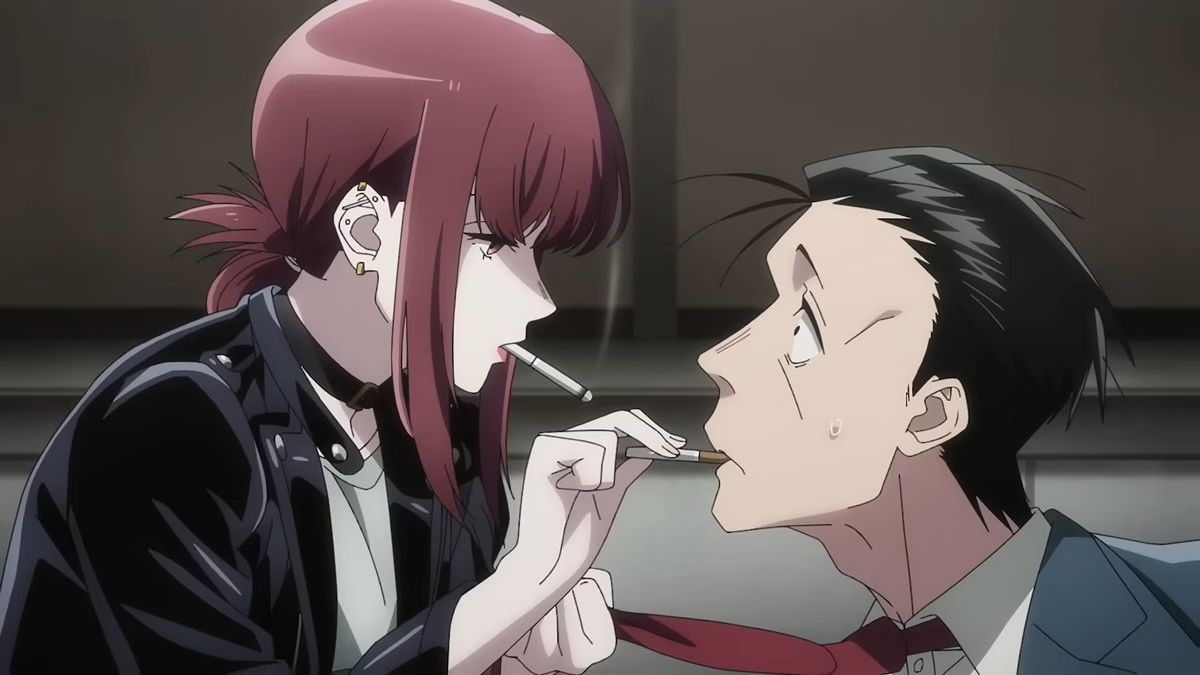
    Sasaki is a burnt-out salaryman in his mid-forties who gets through the week on mochi chips, cigarettes, and the brief comfort of chatting with Yamada, his favorite supermarket cashier. One evening, he finds a striking woman behind the store and ends up sharing a smoke break with her. He has no idea she’s the same person he’s been smiling at across register number two. That running gag sounds thin on paper, but the show earns it completely because the dynamic between these two people, in both versions, is genuinely warm without overselling itself.

    The manga started as a Twitter webcomic in 2022, won the Next Manga Award that same year, and had over 3 million copies in circulation by 2026. The anime hit a perfect 5-star rating on Crunchyroll within three days of premiering, pulling in 14,000 ratings before most shows manage half that after completing their full runs. In a sea of teen romcoms, it’s refreshing to finally get a grounded adult romance aimed at people in their thirties and forties.

    4. Bleach: Thousand-Year Blood War – The Calamity

    This is the one Bleach fans have been waiting twenty years for. Everything since episode one has been building toward Ichigo versus Yhwach, and The Calamity is where that finally happens. Yhwach has taken down the Soul King, the Gotei 13 is in ruins, and what’s left of the cast has to pull off something close to impossible with very little left in the tank. Tite Kubo is personally involved in expanding the notoriously rushed manga ending with anime-only content, which makes this the version of the finale the story always deserved.

    Studio Pierrot has maintained the staggering animation quality that made the Thousand-Year Blood War adaptation so celebrated, and the first three episodes got a theatrical run in the US, Japan, and Australia before the TV broadcast began on July 25, pulling in $3 million in US theaters alone. That number tells you exactly how much the fanbase has been holding its breath for this. That said, you absolutely need to have watched the previous three cours first, but if you’re already there, nothing else this summer comes close.

    5. Puella Magi Madoka Magica the Movie – Walpurgisnacht: Rising

    Before anything else, you need to watch the original 2011 TV series and the 2013 film Rebellion first. This is a direct sequel to Rebellion’s ending, which left Homura Akemi having reshaped reality itself to keep Madoka by her side, a decision that split the fanbase right down the middle and kept people arguing for over a decade about what it meant. Walpurgisnacht Rising picks up in that rewritten world as a dangerous new threat connected to Walpurgisnacht forces Homura to confront exactly what she built and what it cost.

    The entire original creative team is back. Gen Urobuchi writes the screenplay, Studio SHAFT handles animation with Akiyuki Shinbo as chief director, and Yuki Kajiura returns to compose the score through her FictionJunction project. Rebellion was the first late-night anime film to gross over 2 billion yen at the Japanese box office, which gives you a sense of the weight this sequel carries. The film was announced in 2021, delayed four separate times, and fans started calling it the GTA VI of anime movies. It finally hits Japanese theaters on August 28, 2026. The wait has been genuinely painful.

    6. Trapped in a Dating Sim: The World of Otome Games is Tough for Mobs 2

    Leon is a regular office worker who is forced by his sister to grind through an otome game, a romance game made for women, for two straight days before dying of exhaustion. He wakes up reincarnated inside that exact game, in a world where women hold all the power and men exist mostly to look pretty and compete for female attention. The twist is that Leon has zero interest in any of that. He just wants a quiet life in the countryside, and the fact that he knows exactly how the game’s story plays out makes him dangerous in ways nobody around him sees coming.

    Season 2 premieres four years after the first season aired in 2022, with Studio ENGI and most of the original staff returning. The light novel it’s based on ran for thirteen complete volumes, meaning the story actually has somewhere to go rather than trailing off into open-ended manga territory. For isekai fans tired of protagonists who take everything too seriously, Leon’s specific brand of reluctant chaos is a genuine breath of fresh air.

    7. Grand Blue Dreaming Season 3

    If you’ve never seen Grand Blue Dreaming and someone describes it to you as a show about college students who go scuba diving, that description is technically accurate and completely useless. What it actually is is a relentlessly chaotic comedy about a group of men who drink heavily, strip down to nothing at every available opportunity, and drag a perfectly normal first-year student named Iori into their insanity, whether he likes it or not. The diving is almost incidental, but the friendships built around it are not.

    Season 3 heads somewhere new for the first time, taking the crew to Palau for the franchise’s first overseas arc. Zero-G and Saber Works are handling production with Shinji Takamatsu returning as director, the same man who has been steering this ship since 2018. The fact that Season 3 was announced before Season 2 even finished airing tells you everything about the confidence behind this show.

    8. Skeleton Knight in Another World II

    Arc woke up inside his MMORPG as a fully armoured skeleton knight, and four years after Season 1 aired, he’s back. Season 2 picks up with the political tension between humans and elves escalating into something bigger, with a corrupt prince eyeing the throne, an uneasy alliance forming between kingdoms, and Arc still trying to mind his own business while his sense of justice keeps dragging him into everyone else’s problems. The fox companion Ponta is still there, which is reason enough for some people.

    This is not an anime that tries to reinvent isekai. In fact, it doesn’t try to become anything else. It knows its place as a show about an overpowered protagonist, a growing party of companions, solid action, and a fantasy world that doesn’t take itself too seriously. Aura Studio takes over production from Studio KAI for this season, with a new scriptwriter, Toshizo Nemoto, who previously worked on That Time I Got Reincarnated as a Slime Season 4 and Inu X Boku Secret Service. If Season 1 hit the right notes for you, Season 2 delivers more of what made it work.

    9. I Want to Love You Till Your Dying Day

    Yuri anime rarely gets adapted with this level of creative intent behind it. The opening theme is by ReoNa, the ending by Sajou no Hana, series composition is handled by Jukki Hanada of Sound Euphonium and Bloom Into You, and the voice cast includes Rie Takahashi (Megumin, Emilia, Ai Hoshino) and Yui Ishikawa (Mikasa Ackerman, Violet Evergarden, 2B), two of the most in-demand names in the industry right now. Even with a likely single-run cour, the talent assembled around it sends a clear signal about how seriously everyone involved is taking the source material.

    Additionally, the manga it adapts was nominated for the 2019 Next Manga Award and made MAL’s 2024 Unique Art and Story recommended reading list. The story follows two girls at a school that trains orphaned children as magical weapons, one immortal, one dying, and the romance that forms between them inside that world.

    10. You and I Are Polar Opposites Season 2

    You and I Are Polar Opposites Season 1 wrapped up in March 2026 with both central couples finally making moves and viewers immediately wanting more. Suzuki and Tani are now actually together, which sounds like the part where most romance anime run out of ideas. The difference here is that Kōcha Agasawa, who also wrote The Ramparts of Ice, writes relationships with enough texture to keep going long after the will-they-won’t-they is settled. The friendships surrounding the main couple carry just as much weight as the romance itself, which is rarer than it should be.

    The manga ranked second in the 2022 Next Manga Awards, third in the 16th Manga Taishō, and second in bookstore employees’ recommended comics for 2024, with over 2.1 million copies in circulation by May 2026. Often compared favorably to My Dress-Up Darling for the chemistry between its leads, You and I Are Polar Opposites is a must-watch for any romcom fan.

    11. Clevatess Season 2

    When Cleavatess aired in 2025, it was one of last summer’s biggest surprises, a dark fantasy that opened with mass slaughter and somehow pivoted into a story about the lord of magical beasts reluctantly raising an orphaned baby and a resurrected hero he personally killed. That premise sounds ridiculous, and the execution was anything but. Season 2 picks up with Clevatess and his unlikely found family infiltrating a prestigious magic academy under false pretenses, hunting for secrets left behind by a defeated enemy while navigating a world that is still very much at war with itself.

    With Yuji Iwahara, best known for his character designs on Darker Than Black and as the original creator of Dimension W, the pedigree behind this series is serious. Lay-duce returns for production, with the main Season 1 cast and staff reprising their roles, while MYTH & ROID handle the ending theme with “Awake Anew.”

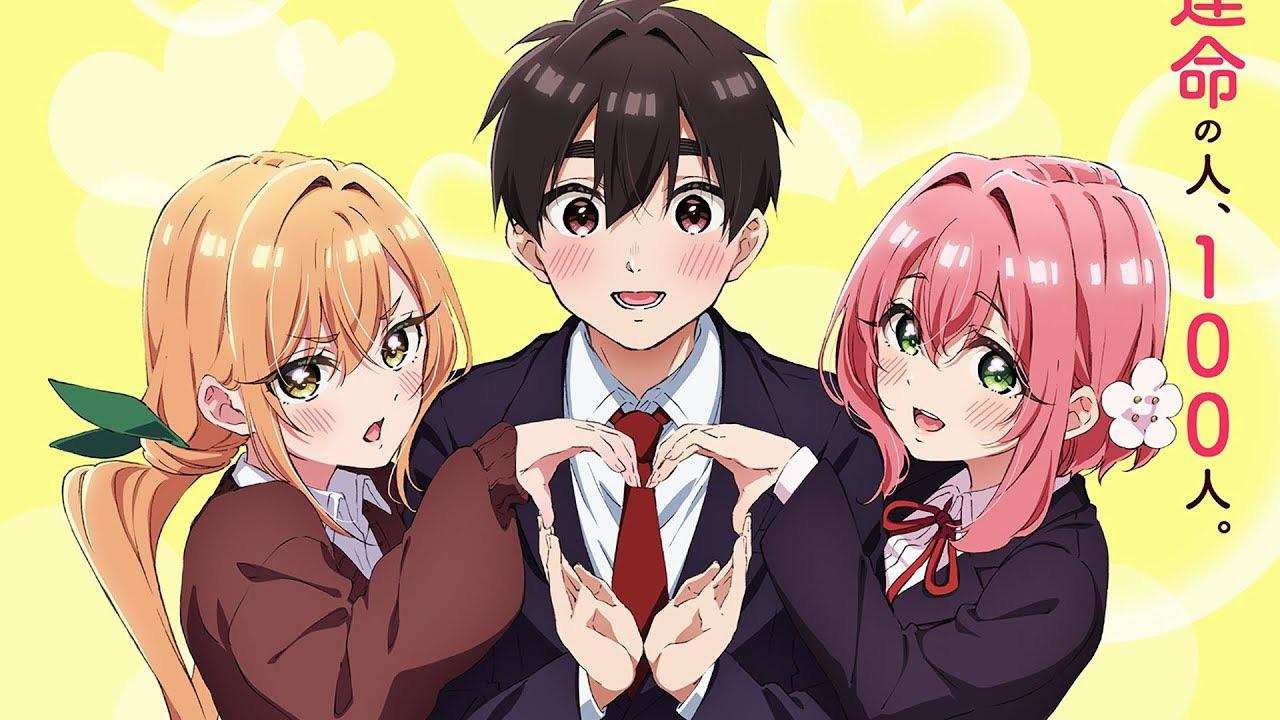
    12. The 100 Girlfriends Who Really, Really, Really, Really, Really Love You Season 3

    The 100 Girlfriends’ premise is exactly as unhinged as the title suggests. Rentaro Aijo was rejected by 100 girls over his lifetime, visited a shrine to pray for luck, and the God of Love showed up to explain that all those rejections were actually a divine clerical error. His compensation is 100 destined soulmates, all of whom he will meet in high school. Any girlfriend he fails to date properly dies. The show takes that absurd setup and runs with it at full speed, introducing increasingly chaotic new characters while maintaining a genuine sweetness underneath all the comedy.

    Season 3 premieres July 5 on Crunchyroll and adapts the Idol Arc, which fans of the manga have been waiting to see animated for a while. Bibury Animation Studios returns with the full cast and director Hikaru Sato, and at this point, the Rentaro Family voice cast alone is enormous. With two solid seasons already behind it and a fanbase that keeps growing, the show has carved out a very specific niche as the rare harem anime that actually respects every character in it rather than using them as decoration.

  • What Are Filler Episodes and Why Do They Exist?

    What Are Filler Episodes and Why Do They Exist?

    If you’ve ever been deep into Naruto or Bleach and suddenly found yourself watching characters play volleyball on a beach with zero relevance to anything that came before it, you’ve encountered filler. It’s one of the most complained-about things in all of anime, and also one of the most misunderstood. Here’s what’s actually going on.

    What even is a filler episode?

    The simplest definition is this: a filler episode is any episode that doesn’t come from the original source material and isn’t part of the main canon story. Interestingly, most anime aren’t original productions. They’re adaptations of manga, light novels, or visual novels written by someone else, and that source material is the blueprint the studio works from. When that blueprint runs out, studios usually have two choices. They can either pause the anime and wait for the author to write more, or keep the show running by producing their own original content in the meantime. Thus, that original content is filler.

    It’s worth knowing that the term gets used loosely. Technically, any content not found in the source material qualifies, which means a Bleach action filler arc and a Naruto beach comedy episode are both filler despite feeling nothing alike. What connects them is that neither one actually happened in the manga, and when the main story resumes, neither one is ever mentioned again.


    Why studios do it

    The core reason is simple: popular anime air weekly, and manga chapters come out weekly too. The problem is that animating a chapter takes significantly more time and resources than writing one. A manga artist can produce a chapter in a week. Turning that same chapter into animation with voice acting, music, and movement takes a team of people several weeks minimum. The anime catches up to the manga faster than anyone wants it to, and stopping a weekly show cold is a commercial and logistical nightmare.

    There’s also a financial side to it that rarely gets discussed. Weekly anime during the era of Dragon Ball, Naruto, and Bleach were massive commercial engines. Merchandise, licensing deals, and advertising revenue were all tied to keeping the show on air every single week without interruption. A hiatus, even a short one, could mess with the broadcast schedule, hurt audience momentum, and throw off merch and ad revenue. Because of that, long-running anime often leaned on filler or slower pacing just to keep the show airing week after week instead of going off the air entirely.


    The infamous examples

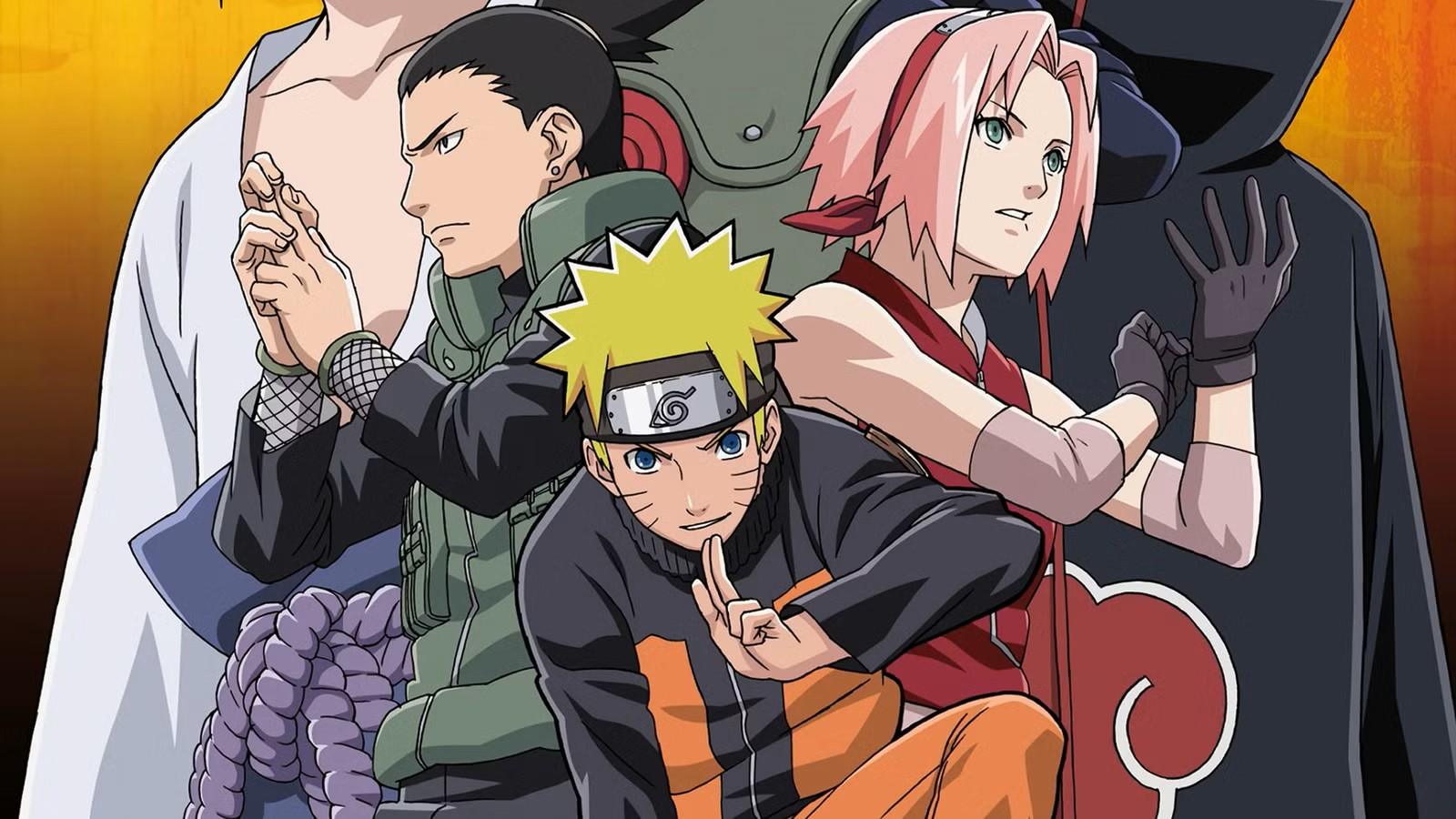
    Naruto is the most referenced case for a reason. Out of 720 episodes across the original series and Shippuden, roughly 41% is filler. Studio Pierrot was adapting Masashi Kishimoto’s manga in real time while it was still being written, and the gap between what the anime needed and what the manga had available kept widening. The result was entire arcs, sometimes dozens of episodes long, that went nowhere and are largely forgotten today.

    Bleach followed the same pattern with Studio Pierrot at the helm again, inserting full original arcs between canon story beats. In fact, the series has even more filler episodes than Naruto, with about 45% of its episodes considered non-canon. One Piece is the longest-running example still active, though Toei Animation has increasingly opted for slower pacing of canon material rather than outright filler.

    Then there’s the Endless Eight from The Melancholy of Haruhi Suzumiya, which is a different beast entirely. Eight nearly identical episodes covering the same two weeks of a time loop, produced by Kyoto Animation, clearly as an artistic statement rather than a budget problem. Fans were furious. Whether it was brilliant or insufferable depends entirely on who you ask.


    Are all fillers actually bad?

    Not even close. The reputation comes from the worst examples, but filler done well can genuinely add to a series. Some of the most beloved moments in Naruto are technically filler, including the Kakashi Anbu arc, which explored a character the main story never had time to dig into properly. Fullmetal Alchemist’s 2003 adaptation diverged from the manga entirely once it ran out of chapters, producing a completely original second half and a film conclusion that some fans still prefer to Brotherhood.

    Filler also gives secondary characters room to breathe. Main storylines in long-running shonen are usually too plot-driven to slow down for character work outside the main cast. Filler episodes, whatever their reputation, sometimes do exactly that.


    Why modern anime uses less filler

    The seasonal model changed everything. Rather than producing 50 episodes a year on a weekly broadcast schedule, most anime now air in chunks of 12 or 13 episodes per season, pausing between cours to let the source material stay ahead. That structure greatly reduces the pressure that created filler in the first place. Jujutsu Kaisen has zero filler episodes. Attack on Titan has zero. Demon Slayer has zero. The model they operate under simply doesn’t require it.

    Streaming also shifted audience expectations. Viewers who binge shows have far less patience for placeholder content than audiences who waited a week between episodes, and studios know it.


    The bottom line

    Filler episodes exist because the economics of weekly anime made them necessary for a long time, and because stopping a popular show mid-run was simply not an option studios were willing to take. The seasonal model has made them largely obsolete, which is why newer fans sometimes don’t even know what filler is until they try to watch something from the early 2000s and hit episode 97 of 220 consecutive non-canon episodes. It’s a product of a specific era in anime history, and understanding that context makes it a lot easier to appreciate why it happened without pretending it was ever a good viewing experience.

  • 10 Most Popular Toaru Characters, Ranked

    10 Most Popular Toaru Characters, Ranked

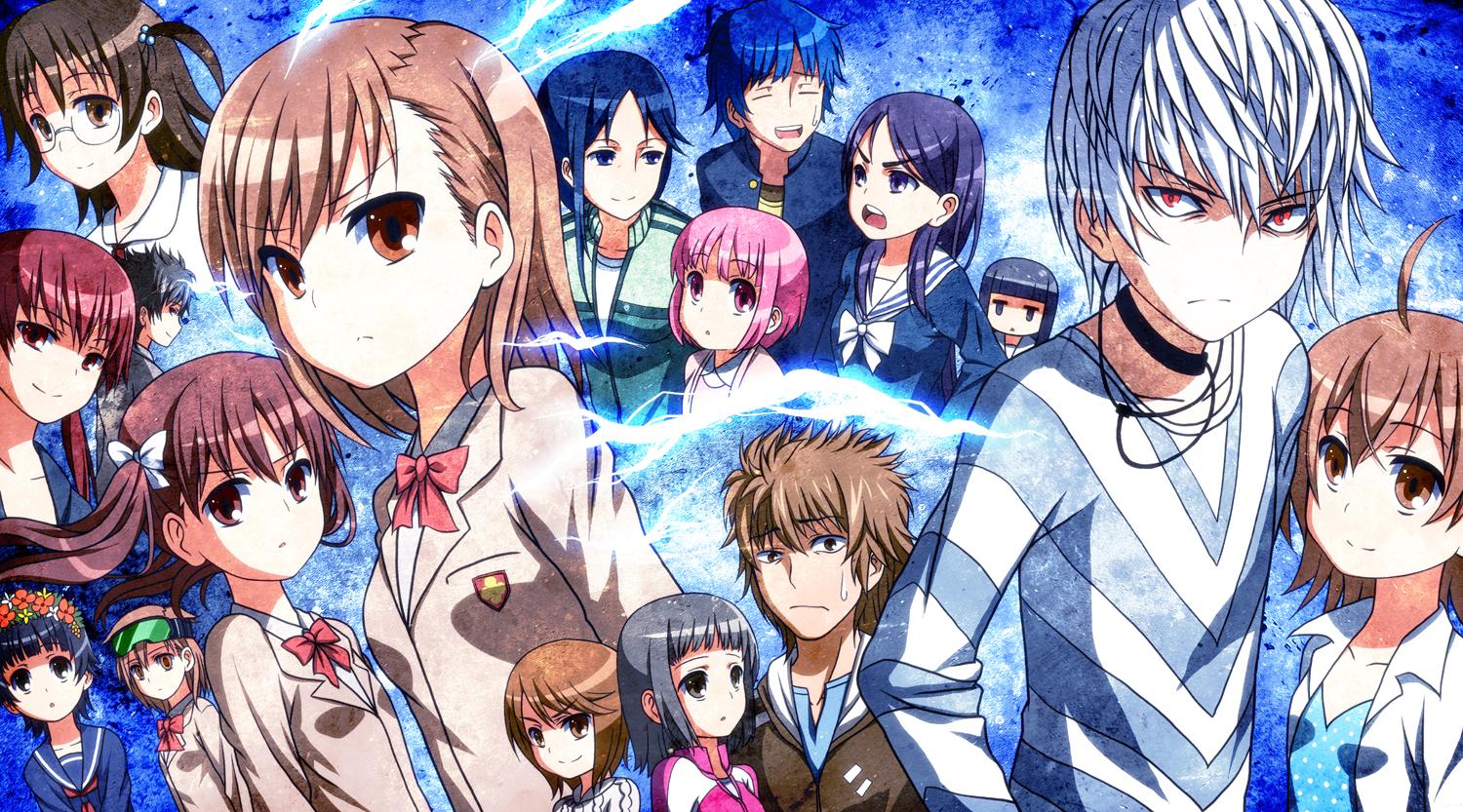
    The Toaru franchise has been running since 2004, and at this point, it’s genuinely massive. What started as Kazuma Kamachi’s light novel series A Certain Magical Index has expanded into multiple anime, spinoffs, manga, and games, all set inside Academy City, a futuristic scientific metropolis where students develop supernatural abilities called espers. With such a huge roster of recurring figures, it’s no surprise that discussions around the most popular Toaru characters are a constant topic among fans. We’ve ranked them here based on overall popularity, factoring in fan reception, impact, and how often they come up in community discussions.

    1. Mikoto Misaka

    Mikoto ranked first in the official Imaginary Fest character popularity poll, beating out the entire cast, including the main protagonist, and nobody was surprised. The third-ranked Level 5 esper in Academy City, Mikoto can fire a coin at three times the speed of sound, hack any electronic system nearby, and generate enough electricity to rival a power plant. On paper, she’s untouchable. However, the Sisters Arc then proceeds to completely dismantle that image, and everything interesting about her character starts right there.

    Scientists used her DNA to manufacture 20,001 clones for a series of experiments she had no say in. What she does when she finds out, and how far she’s willing to go despite knowing it probably won’t be enough, is the reason she resonates so deeply with fans. Creator Kazuma Kamachi designed her to always face situations that outscale her, which forces real growth rather than easy victories.

    2. Accelerator

    The first time you meet Accelerator, he’s already the scariest person in the room. Ranked number one out of seven Level 5 espers in Academy City, his ability to control vectors makes him effectively invincible. Any force that touches him gets redirected instantly. Bullets bounce back. Explosions fold away. He joined the Sisters’ experiment specifically to make himself so terrifying that nobody would ever dare challenge him again, which is a deeply broken kind of logic that the show actually takes seriously rather than dismissing.

    After his debut, Accelerator topped nearly every fan-favorite poll in the franchise. The short version is that one unexpected encounter with a child forces him to confront everything he’s built around himself, and the person he becomes on the other side of that is genuinely fascinating to follow. His own spinoff anime covers this period, and while the show itself gets mixed reviews, Accelerator as a character is consistently the best argument for why the Toaru franchise has lasted as long as it has.

    3. Touma Kamijou

    Officially a Level 0 esper, which in Academy City terms means he has basically no measurable power. What he actually has is Imagine Breaker, a mysterious ability housed in his right hand that cancels any supernatural phenomenon it touches, whether that’s magic, esper powers, or anything in between. It doesn’t make him invincible since he still takes hits like a regular person, but it makes him uniquely dangerous in a world built entirely around supernatural abilities.

    Touma is a genuinely divisive character, and that’s part of what makes him interesting. Anime News Network noted it took them 14 volumes of the light novels to fully understand his appeal, and that experience is pretty common among new fans. He’s reckless, lectures his opponents constantly, and solves most problems with his fists despite having no combat training. But he’s also completely unattached to either the science or magic factions, which makes him the only person in the story who can move freely between both worlds.

    4. Kuroko Shirai

    Most people’s first impression of Kuroko is the comedy. She’s Mikoto’s roommate and self-declared devoted admirer at Tokiwadai Middle School, dramatically calling her “Onee-sama” and getting electrocuted for it on a regular basis. That dynamic is genuinely funny, and the show leans into it hard. But reducing her to the running gag misses everything underneath it. She’s a Level 4 teleporter and a dedicated Judgment officer who can transport herself and objects up to 81.5 meters instantly, and she uses that ability with real tactical intelligence when things get serious.

    What actually makes Kuroko work as a character is that her loyalty to Mikoto isn’t played as a joke when it counts. She regularly puts herself in danger to protect someone who is objectively more powerful than her, without hesitation and without making it a big moment. Her Japanese voice actress, Satomi Arai, won Best Supporting Actress at the 5th Seiyu Awards in 2011 for the role, which is a pretty clear sign that the performance communicates more depth than the surface-level comedy suggests.

    5. Misaki Shokuhou

    The fifth-ranked Level 5 in Academy City, Shokuhou is known simply as “The Queen,” and the differences between her and Mikoto couldn’t be more apparent, both physically and mentally. Where Mikoto overwhelms with raw power, Misaki controls minds. Her ability, Mental Out, covers everything from memory manipulation and sensory distortion to full psychological possession, and she organises all of it into numbered categories accessed through a remote control she carries everywhere. In fact, Shokuhou often doesn’t even need direct physical confrontation to neutralize an opponent, making her one of the most dangerous Espers.

    While Misaki walks through Tokiwadai projecting confidence, often surrounded by her large clique and constantly teasing Mikoto, there’s more going on beneath the surface. She has a complicated past tied to the protagonist Touma, and part of the emotional weight comes from the fact that he doesn’t remember their shared history because of his lost memories.

    6. Ruiko Saten

    Everyone in Saten’s immediate circle has powers. Mikoto controls electricity and ranks third among all Level 5 espers. Kuroko teleports. Even Uiharu has a passive ability. Saten moved to Academy City from outside the city specifically to develop esper powers of her own, and after all that effort she came out the other side as a Level 0, which in Academy City’s framework essentially means she failed. That gap between what she hoped for and what she got sits quietly underneath every scene she’s in, giving her an emotional grounding that a lot of the more powerful characters in the franchise simply don’t have.

    What makes her work is that she refuses to be defined by that. She carries a metal bat, runs directly toward danger her friends can handle with abilities she doesn’t have, and somehow makes friends with nearly everyone she meets regardless of how dangerous they are. Fans have pointed out that some of the franchise’s most menacing characters warm up specifically around her, which says a lot about how Kazuma Kamachi wrote her. She’s the person in the story who reminds you what all the fighting is actually supposed to be protecting.

    7. Last Order

    Last Order is the 20,001st of Mikoto’s clones, the last one produced before the Sisters experiment was shut down, which is where the name comes from. Unlike her sisters, she can actually show emotions freely and process individual thoughts rather than operating through the shared network. Physically she looks like a ten-year-old version of Mikoto, which she is deeply unhappy about, and she communicates in third person by constantly referring to herself as “Misaka” mid-sentence, a quirk that somehow makes every line she delivers funnier than it has any right to be.

    Her importance to the story goes well beyond comedy though. She is the character most directly responsible for shifting the trajectory of the franchise’s most powerful and dangerous figure, and that role carries real weight even when the show is playing her scenes completely straight.

    8. Index Librorum Prohibitorum

    The entire franchise is named after her, which makes it easy to forget that she spends a surprising amount of it getting sidelined. Index is a nun from the Church of England who has memorised 103,000 forbidden magical grimoires in her photographic memory, making her the most comprehensive repository of magical knowledge in the world. The cruel irony is that she has absolutely no ability to use any of it herself. She is essentially the most dangerous library that has ever existed, walking around in a white robe and biting Touma on the head whenever he annoys her, which is often.

    Day to day though, she’s a lot more normal than that sounds. She’s often hungry, gets excited over simple things due to her isolated upbringing, and is basically trying to adjust to normal life. Behind that, the Church installed a layered control system called a “Collar” that blocks her from using the grimoires in her body and affects her health. They also misled her former partners about her condition out of fear she could betray the Church. Her yearly memory erasure is part of this system to keep those restraints stable.

    9. MISAKA 10032

    Out of 20,001 clones produced from Mikoto’s DNA, 10032 is the one the story keeps coming back to. As her name suggests, she was scheduled to be killed in the 10032nd experiment against Accelerator as part of the Level 6 Shift Project, which is where Touma finds her and where everything changes. She communicates in the same flat, third-person reporting style shared by all the Sisters, narrating her own observations like someone filing a status update, but the warmth underneath that suppressed emotional programming comes through anyway in ways the show lets speak for themselves rather than explaining.

    Misaka 10032 develops a bond with Touma that Mikoto visibly notices and is extremely unhappy about, competes with other clones over a love letter, and gradually becomes a fully distinct presence rather than just a numbered unit from the experiment. A lot of that humanity comes through the black stray cat she adopts. She even goes to the library to research cat care, showing how seriously she starts taking responsibility for it. At first it can’t get close to her because of her electromagnetic field, so Touma usually ends up carrying it while she suggests ridiculous names like “Dog” and “Schrödinger.” The joke eventually comes full circle when the cat ends up being named “Later,” and by the end it’s comfortable enough to sit with her despite the field.

    10. Kanzaki Kaori

    Fewer than 20 Saints exist in the entire world. Kanzaki is one of them, and one of the youngest, which means her body carries physical characteristics close enough to the Son of God to grant her strength and speed that put her in a completely different category from almost every other fighter in the series. She wields a two-metre nodachi called Seven Heavens Seven Swords and fights using a technique called Nanasen, combining the blade with razor wires to cut across multiple targets simultaneously. Stiyl Magnus once noted that a single Saint carries roughly the destructive potential of a nuclear weapon. That being said, Kanzaki walks around Academy City like a concerned older sister.

    That gap between how terrifying she actually is and how she carries herself is what fans find endlessly entertaining. Her sorcery name, Salvare000, translates as “be the salvation of those who cannot be saved,” which she takes completely seriously while also being the same person who abandoned her entire religious community because she resented being told her role in it was decided before she was born. She leads the Amakusa Christians, gets flustered around Touma in ways she absolutely refuses to acknowledge, and somehow remains one of the most quietly compelling characters in a series full of people who could level buildings.

  • Best Spring 2026 Anime You Should Be Watching Right Now

    Best Spring 2026 Anime You Should Be Watching Right Now

    Every anime season has that one show everyone ends up talking about, and a handful of others quietly doing something just as interesting that most people won’t discover until it’s already over. Spring 2026 anime has been a genuinely strong season across multiple genres, and whether you’re completely caught up or just figuring out where to start, there’s something worth adding to your watchlist.

    This list covers the best-rated and most talked about anime currently airing this spring, from big returning names to originals nobody saw coming. Series and films both included, because good anime doesn’t care about format.

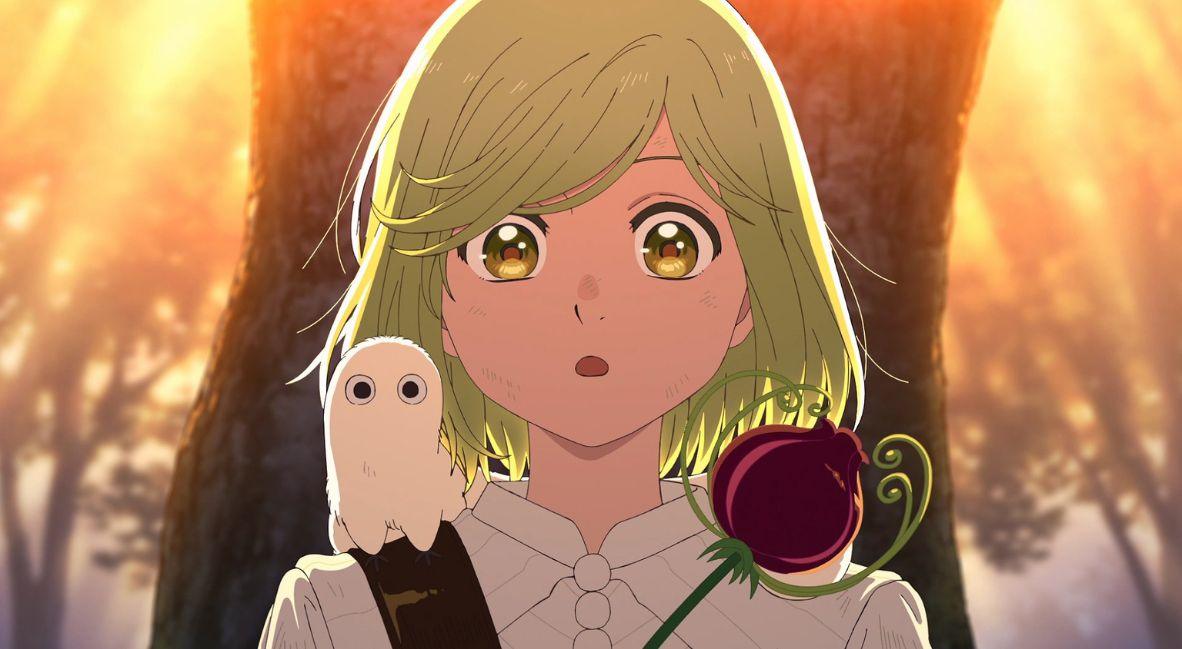
    1. Witch Hat Atelier

    Release DateApril 6, 2026
    StudioBUG FILMS
    GenreFantasy, Adventure, Seinen
    StreamingCrunchyroll

    In Coco’s world, magic is strictly off-limits to anyone not born with the ability to use it. She’s a dressmaker’s daughter who has spent her whole life watching witches from a distance. Then she accidentally witnesses something she shouldn’t, a secret about how magic actually works that the witch community has spent centuries hiding, and everything changes from there.

    BUG FILMS delayed the show by a full year to get the production right, and it shows. A few episodes in, and it already holds a near-perfect 4.9 on Crunchyroll and an 8.73 on MAL, sitting ahead of every other new show this season. Thus, Witch Hat Atelier is the clearest must-watch of spring 2026.

    2. Re:ZERO -Starting Life in Another World- Season 4

    Release DateApril 8, 2026
    StudioWhite Fox
    GenreIsekai, Fantasy, Psychological
    StreamingCrunchyroll

    The price of surviving Priestella was steep. Rem is in a coma, Crusch has lost her memories, and Julius has literally had his name erased from existence. Season 4 picks up from that wreckage and sends Subaru toward the Pleiades Watchtower, a place standing in an uncharted desert so dangerous that even the Sword Saint Reinhard failed to conquer it. Arc 6 is widely regarded by light novel readers as one of the series’ best, and White Fox is handling it the same way they’ve handled every season before it.

    Re:ZERO took first place in Anime Corner’s Spring 2026 anticipation poll with 10.56% of over 11,000 fan votes, beating every other show this season by a significant margin. Currently airing on Crunchyroll with 11 episodes planned for this cour.

    3. Classroom of the Elite 4th Season: Second Year, First Semester

    Release DateApril 1, 2026
    StudioLerche
    GenrePsychological, Drama, School
    StreamingCrunchyroll

    Ayanokoji’s second year has started, and the school isn’t getting any kinder. New first-year students are already causing problems, the White Room threat is creeping back into the picture, and a survival exam on a deserted island is coming. The psychological chess matches that made this series famous are still very much present, with Ayanokoji quietly dismantling everyone around him before they even realize what happened.

    Season 4 premiered on April 1, 2026, with a 90-minute special featuring the first four episodes airing together, which is a confident move from Lerche. Reception has been mixed on pacing, but nobody is jumping ship. For fans already invested in this story, the new semester delivers exactly what they showed up for.

    4. That Time I Got Reincarnated as a Slime Season 4

    Release DateApril 3, 2026
    StudioEight Bit
    GenreIsekai, Fantasy, Adventure
    StreamingCrunchyroll

    Four seasons, multiple OVAs, ONAs, specials, and one theatrical film into the franchise, and Rimuru Tempest is still one of the most likeable protagonists in isekai. Season 4 picks up with Tempest at its most prosperous, which naturally means everything is about to go sideways. The Council of the West is eyeing the nation’s growth with suspicion, a former Hero named Granbell Rosso is working against Rimuru from the shadows, and the political maneuvering that follows is a lot more interesting than it sounds on paper. Eight Bit knows this world inside out at this point, and it shows in how confidently the season moves.

    The honest selling point here is that this arc is what longtime fans have been waiting for. The story has been building toward Tempest becoming a genuine world power for seasons, and Season 4 is finally cashing that in. A second film, That Time I Got Reincarnated as a Slime the Movie: Tears of the Azure Sea, was also released in Japan on February 27, 2026, reinforcing the fact that the studio has no intention of slowing down anytime soon.

    5. Daemons of the Shadow Realm

    Release DateApril 4, 2026
    StudioBones Film
    GenreDark Fantasy, Action, Supernatural
    StreamingCrunchyroll

    The name Hiromu Arakawa should tell you everything you need to know going in. The creator of Fullmetal Alchemist brings that same instinct for sibling dynamics and morally layered worlds to twins Yuru and Asa, who live quietly in a mountain village until a dragon’s roar tears their life apart and pulls them into a conflict involving supernatural beings called Daemons that runs far deeper than either of them expected.

    Produced by Studio Bones Film and directed by Masahiro Ando, the show debuted on April 4 to one of the strongest opening receptions of the season, earning an 8.7 on IMDb. Arakawa is widely regarded by fans as one of the most consistent shonen storytellers when it comes to character-driven writing, and this show is no exception. With 24 episodes planned, this one has room to go somewhere serious.

    6. Wistoria: Wand and Sword Season 2

    Release DateApril 12, 2026
    StudioActas × Bandai Namco Pictures
    GenreAction, Fantasy, Adventure
    StreamingCrunchyroll

    Will Serfort has no magic. In a school built entirely around casting spells, that should disqualify him from everything. Instead, he compensates with swordsmanship sharp enough to keep up with people who can literally reshape reality, which is the central tension the whole series runs on. Season 2 picks up with the stakes raised and Will getting pushed harder than ever, both physically and mentally, right from episode one.

    Written by Fujino Omori, the same creator behind DanMachi, and produced by Bandai Namco Pictures and Actas, the show went from manga to anime in under four years, which is unusually fast and a sign of how much commercial confidence the franchise carries. Season 2 continues to be defined by its sword choreography, clear fight direction, and the strength of its core “magic versus no magic” premise, with consistent viewer praise for how Will’s straightforward underdog role anchors the action as the worldbuilding expands.

    7. Dr. Stone: Science Future Part 3

    Release DateApril 2, 2026
    StudioTMS Entertainment
    GenreSci-Fi, Adventure, Comedy
    StreamingCrunchyroll

    This is the final stretch, and the goal this time is the moon. Senku and the Science Kingdom have spent seasons rebuilding civilisation from the ground up, turning stone age resources into modern technology through sheer scientific logic. Now, an unknown voice broadcasting from the lunar surface is dangling the biggest mystery the series has ever set up, and getting there means figuring out how to build a rocket from whatever a post-apocalyptic Earth can actually provide.

    The season currently holds an 8.27 on MAL across 13 confirmed episodes, which is strong for a finale arc that has to wrap up years of world-building without losing momentum. If you’ve never watched Dr. Stone before, this season alone is a good enough reason to go back and start from episode one.

    8. The Angel Next Door Spoils Me Rotten 2

    Release DateApril 3, 2026
    StudioProject No.9
    GenreRomance, Slice of Life
    StreamingCrunchyroll

    Amane and Mahiru are officially together now, which sounds like the happy ending, but is really just where the more interesting story begins. Mahiru is the girl everyone at school calls the Angel, effortlessly beautiful and completely untouchable in everyone’s eyes. Amane is the quiet loner next door who somehow ended up with her. Season 2 is about what happens when two people from completely different social worlds go public with their relationship and have to figure out how to actually be a couple while everyone around them is watching.

    Fans waited over three years for this season after the first aired in early 2023, which created expectations that are genuinely hard to meet. While not the highest-rated anime in the Spring 2026 lineup, the sequel leans into a slower, more deliberately paced progression that treats the relationship in a grounded, almost realistic way, allowing moments to breathe rather than rushing emotional payoffs. At the same time, the tone shifts into something more comedic and socially driven compared to Season 1, which may not resonate with viewers who preferred the more restrained, serious atmosphere of the original.

    9. I Made Friends with the Second Prettiest Girl in My Class

    Release DateApril 7, 2026
    StudioCONNECT
    GenreRomance, Comedy, School
    StreamingCrunchyroll

    Everyone at school knows Umi as the second prettiest girl in class, a label that quietly defines her more than it flatters her. On the other hand, Maki is the class outcast who barely registers socially. Yet, somehow, they start talking over shared interests in horror films and cheap soda, and what grows feels less like a typical romance and more like two people simply enjoying each other’s company without any social performance. The show keeps things deliberately unflashy, and that restraint is what makes it work.

    Directed by Hideki Tachibana at Studio Connect and streaming on Crunchyroll, the series adapts Takata’s light novel with the kind of unhurried pacing that suits the material perfectly. Umi’s quiet inferiority complex, always feeling like second place in a room where someone more impressive exists, gives her a surprising amount of depth for a show with this kind of title. It sits comfortably alongside Angel Next Door and Tsuki ga Kirei as a romance anime that trust their characters enough not to manufacture drama around them.

    10. Marriagetoxin

    Release DateApril 7, 2026
    StudioBones Film
    GenreAction, Romance, Comedy
    StreamingCrunchyroll

    Hikaru Gero is a professional assassin from a poison clan who has spent his entire life being trained to kill rather than socialise, which has left him with zero ability to talk to people normally. His family’s solution to this problem is to order him to find a bride and carry on the bloodline, sending him out into a world he has absolutely no idea how to navigate. The girl he ends up entangled with is Kinosaki, a crossdressing con artist who is equally terrible at conventional human interaction for completely different reasons.

    The premise sounds like chaos, and it absolutely is, but Studio Bones keeps everything grounded with sharp pacing and animation quality that punches well above what a rom-com usually gets. In fact, the series manages to establish its entire world, tone, and cast of freaky assassins within the first ninety seconds.

    11. Gals Can’t Be Kind to Otaku!?

    Release DateApril 8, 2026
    StudioTMS Entertainment
    GenreRomantic Comedy, School
    StreamingCrunchyroll

    The title sets up a question that the series gradually explores. Takuya is a closet fan of the magical girl series Kirarimon Pets, carefully hiding it throughout high school until a slip in class exposes his knowledge to two of the most popular girls. What starts as an awkward moment turns into something more layered as Kei and Kotoko also carry secrets of their own, shifting the dynamic into something more balanced and unexpectedly grounded for the genre.

    Director Arata Mita has almost no credits to his name, which made reviewers suspicious going in. A lot of people didn’t buy into the hype before watching it, but it’s actually a rather solid, feel-good romance series. The direction feels confident throughout, with crisp animation and camerawork that flows so smoothly you barely even notice it.

    12. The Ramparts of Ice

    Release DateApril 2, 2026
    StudioStudio Kai
    GenreRomance, Slice of Life, Drama
    StreamingNetflix

    Being mocked by classmates in middle school left Koyuki with walls so high that keeping everyone out became second nature. By high school, it’s less a defence mechanism and more just who she is, a girl who has accepted distance as her permanent default setting. Then three people show up who don’t respect that distance at all, and the slow, uncomfortable process of actually letting someone in begins.

    What separates The Ramparts of Ice from the dozen other high school romance anime airing this season is how seriously it takes the psychology of someone who has been hurt enough to stop trying. Koyuki doesn’t want to be saved or fixed, and the show respects that. The story moves at the pace of someone who actually has walls, which is slower and more frustrating than most romance anime allow themselves to be, and that patience is exactly what makes the moments where the walls shift feel earned rather than convenient.

    13. The Warrior Princess and the Barbaric King

    Release DateApril 9, 2026
    StudioJUMONDO
    GenreFantasy, Romance
    StreamingCrunchyroll

    Serafina de Lavillant is the strongest female knight in the West, sent east to crush a barbaric tribe and capture their king. She fails, gets taken prisoner herself, and fully expects to spend whatever time she has left being tortured. What she gets instead is a marriage proposal. The barbaric king, Veor, turns out to be considerably less barbaric than advertised, and Serafina, who has spent her entire life thinking about nothing but combat, suddenly has to navigate feelings she has absolutely no framework for.

    The show is shameless about what it is, and that honesty is half its charm. It leans into the absurdity of the setup without undercutting the romance, and the dynamic between a woman who has never been vulnerable and a man who is genuinely patient with her makes for better viewing than the title probably suggests.

    14. Ascendance of a Bookworm: Adopted Daughter of an Archduke

    Release DateApril 4, 2026
    StudioWIT Studio
    GenreFantasy, Isekai, Drama
    StreamingCrunchyroll

    Most isekai protagonists fight their way up. Myne, a reincarnated bookworm with a terminal illness, does it by inventing paper and printing from scratch because she just desperately wants something to read. This new arc picks up after that journey lands her somewhere unexpected: forcibly adopted into archduke nobility, separated from her family, and suddenly navigating a world of political maneuvering and magical training under the name Rozemyne.

    This season earned a prime-time slot previously held by My Hero Academia, which tells you everything about how the franchise has grown. Interestingly, this arc marks the transition from Ajia-Do to the more widely recognized WIT Studio. While the anime is often considered inferior compared to the light novels, it’s still enjoyable for most fans.

    15. Nippon Sangoku: The Three Nations of the Crimson Sun

    Release DateApril 7, 2026
    StudioStudio Kafka
    GenrePost-apocalyptic, Drama, Political
    StreamingAmazon Prime Video

    Nuclear war and natural disasters have reduced Japan to rubble, and what’s left has fractured into three rival nations locked in a constant struggle for survival. Into that chaos steps Yasuaki Kaku, a young strategist sharp enough to see angles nobody else can, navigating a world where every alliance is temporary, and every victory costs something. The setting borrows from Chinese Three Kingdoms mythology but plants it firmly in a devastated near-future Japan, which is an unusual combination that actually works.

    Kevin Penkin, the composer behind Made in Abyss, handles the score, which immediately signals the kind of tonal ambition the show is going for. Studio Kafka and director Kazuaki Terasawa back that up with animation that keeps pace with the political chaos on screen, rarely stopping long enough to let you breathe. For anyone who burned through Vinland Saga or Kingdom and has been waiting for something with that same ruthless political energy, this is the one to add to the list.

  • Beyond the Curses: 15 Dark Fantasy Manga Like Jujutsu Kaisen You Need to Read Next

    Beyond the Curses: 15 Dark Fantasy Manga Like Jujutsu Kaisen You Need to Read Next

    There is a very specific kind of emptiness that hits you when a masterclass in dark shonen reaches its conclusion.

    Gege Akutami’s Jujutsu Kaisen didn’t just capture our attention; it fundamentally shifted what we expect from modern battle manga. It was a story defined by its unapologetic brutality, a hyper-complex magic system, and a world where no character—no matter how beloved—was ever truly safe. Look at the sheer kinetic energy of Akutami’s artwork—it doesn’t just show a fight; it makes you feel the devastating weight of the impact.

    If you are hunting for that exact same feeling—the intricate power scaling, the deep psychological stakes, and the beautiful, chaotic ink work—you have likely already searched MyAnimeList recommendation boards. While the massive hits are always present, the rabbit hole goes so much deeper.

    From top-rated community classics to hidden gems buried deep in user lists, here are 15 manga like Jujutsu Kaisen that will completely grip you.

    The Quick-Reference Watchlist

    For the readers looking for a quick breakdown, here is how the top recommendations stack up based on community sentiment and core themes:

    Manga TitleCore Similarity to JJKAtmosphere Style
    GokurakugaiHigh-fashion art & monster exorcismGritty Neon Noir
    Chainsaw ManVisceral dread & dark subversionCinematic Fever Dream
    KagurabachiKinetic combat & underground sorceryRain-slicked Revenge
    Kaya-Chan Isn’t ScaryInvisible curses in public spacesPure Psychological Horror
    GachiakutaSystemic corruption & raw distortionPunk/Industrial Wasteland

    1. Gokurakugai

    Gokurakugai_1-Chapter_1_-_Magazine_Cover
    Author(s)Yuto Sano (Story & Art)
    Chapters35 + ?

    This is easily one of the most visually stunning ongoing manga on the planet right now.

    Set in a vibrant, sketchy, crime-ridden district, the story follows Tao and Alma, two “troubleshooters” who secretly hunt down grotesque monsters born from human flaws.

    The Jujutsu Kaisen Similarity: If you loved the stylish, effortlessly cool character designs of Satoru Gojo or Toji Fushiguro, Gokurakugai carries that exact same high-fashion, gritty-supernatural DNA. It features a brilliant “monster-hunting duo” dynamic and an incredibly textured ink style. On MyAnimeList, it was recently spotlighted as a consecutive finalist in the fan-selected awards, proving that its underground popularity is matching its breathtaking art.

    2. Chainsaw Man

    Denji_and_Yoru_surrounded_by_Devils-chainsawman
    Author(s)Tatsuki Fujimoto (Story & Art)
    Chapters232

    The undisputed spiritual sibling to Gege Akutami’s masterpiece.

    Tatsuki Fujimoto doesn’t write typical shonen stories; he writes cinematic fever dreams. The world is infested with Devils born from human fears, and a boy named Denji is dragged into a public safety bureau to slice through the madness.

    The Jujutsu Kaisen Similarity: The narrative alignment here is undeniable—both series belong to the dark trinity of modern shonen. If what you loved most about JJK was the constant, underlying sense of dread mixed with bizarre, pitch-black humor and sudden character mortality, Chainsaw Man delivers it flawlessly. It currently sits comfortably among the highest-ranked and most discussed titles on MAL for a reason: it refuses to pull its punches.

    3. Kagurabachi

    Kagurabachi_Chapter_96
    Author(s)Takeru Hokazono (Story & Art)
    Chapters121 + ?

    The breakout sensation that proved the gritty, sword-and-sorcery revenge epic is alive and well.

    Chihiro Rokuhira seeks bloody vengeance against a mysterious cabal of sorcerers called the Hishaku, who murdered his legendary blacksmith father and stole six enchanted blades capable of mass destruction.

    The Jujutsu Kaisen Similarity: The panel composition here is deeply cinematic, emphasizing cold, calculated precision and sudden, explosive bursts of violence. The magic system relies on ancient weapons infused with sorcery, echoing the cursed tools and localized battle strategies found in JJK. The aesthetic is dark, rain-slicked, and utterly captivating.

    4. Kaya-Chan Isn’t Scary

    Kaya-Chan_wa_Kowakunai_Manga_3
    Author(s)Tarou Yuri (Story & Art)
    Chapters48 + ?

    Do not let the kindergarten setting fool you—this is pure, unadulterated psychological horror.

    The story follows a kindergarten teacher who discovers that a quiet, seemingly troubled 5-year-old girl in her class is actually a prodigy-level psychic who spends her days brutally exorcising terrifying urban legends.

    The Jujutsu Kaisen Similarity: This is the ultimate hidden gem for fans who miss the early, eerie chapters of JJK. It perfectly mirrors the concept of invisible, terrifying curses lurking in everyday public spaces (like parks and schools). It contrasts innocent daily life with stomach-churning supernatural horror, making it an absolute must-read for fans of the occult.

    5. Choujin X

    Choujin_X_manga-Ricardo_Terror_Night
    Author(s)Sui Ishida (Story & Art)
    Chapters72.3 + ?

    Written by the creator of Tokyo Ghoul, this is a masterclass in modern body horror and unconventional storytelling.

    In a world where ordinary people can suddenly transform into supernatural, chaotic mutants called “Choujin,” two childhood friends find themselves caught in the crossfire of a mutant outbreak.

    The Jujutsu Kaisen Similarity: Sui Ishida embraces a much looser, deeply expressive, and abstract art style here, capturing the raw madness of supernatural abilities clashing in a modern cityscape. The power scaling is chaotic and unpredictable, directly appealing to readers who enjoyed the visceral, unsettling nature of JJK‘s high-stakes combat arcs.

    6. Gachiakuta

    Gachiakuta-manga-Rudo_Surebrec_vs_Human_Traffickers
    Author(s)Kei Urana (Story & Art)
    Chapters167 + ?

    A masterclass in industrial punk aesthetics and frantic, kinetic action.

    Ludo is falsely accused of murder and thrown into the “Abyss,” a toxic wasteland where the surface world discards its trash. There, he discovers a society of “Cleaners” who weaponize discarded objects using a unique spiritual energy.

    The Jujutsu Kaisen Similarity: Kei Urana was an assistant to Atsushi Ohkubo (Soul Eater), and the lineage shows in the graffiti-inspired, sharp artwork. The power system is based on giving life and energy to inanimate objects, heavily reminiscent of how cursed objects and cursed energy function in JJK. It currently holds a highly respected score on MyAnimeList for its outstanding world-building and raw artistic style.

    7. Black Torch

    Black_Torch_manga-cover
    Author(s)Tsuyoshi Takaki (Story & Art)
    Chapters19

    A short, high-octane hidden gem that deserved so much more time to breathe.

    This sleek, 5-volume series follows Jiro Azuma, a guy who can talk to animals and ends up fusing with a powerful, rogue shadow-cat demon. He is quickly drafted into a secret government exorcist task force.

    The Jujutsu Kaisen Similarity: It takes the foundational “boy eats/absorbs a curse and joins a secret, ancient bureau” premise of JJK and fuses it with high-intensity ninja aesthetics. The art is exceptionally clean, aggressive, and masterfully captures pure physical movement.

    8. Hell’s Paradise: Jigokuraku

    Two_teams_united-Hells-Paradise-Jigokuraku
    Author(s)Yuji Kaku (Story & Art)
    Chapters127

    A deeply atmospheric journey about what happens when human flaws clash with supernatural nightmares.

    The story follows Gabimaru, a hollowed-out ninja sentenced to death, who is offered a full pardon if he can retrieve the Elixir of Life from a mysterious, uncharted island filled with monstrous, surreal deities.

    The Jujutsu Kaisen Similarity: Yuji Kaku actually worked as an assistant to Tatsuki Fujimoto, and that pedigree shines through. The power system—based on the concept of Tao—feels just as meticulously planned and rule-bound as Cursed Energy. The battles are won through a combination of raw physical prowess and strict mechanical strategy.

    We also wrote:
    The Japanese Folklore Behind Jujutsu Kaisen
    Looking for Anime Like My Home Hero? Try These 10
    10 Anime Anyone Who Loves Jujutsu Kaisen Should Watch

    9. D.Gray-man

    DGray-manCross_vs_Akuma
    Author(s)Katsura Hoshino (Story & Art)
    Chapters250 + ?

    The dark shonen blueprint that paved the way for modern dark fantasy.

    Set in a gothic, alternate 19th century, it follows Allen Walker and the Black Order—an elite group of exorcists who use a holy substance called “Innocence” to destroy “Akuma,” weapons created by using the souls of the grieving dead.

    The Jujutsu Kaisen Similarity: Long before JJK dominated the charts, D.Gray-man was mastering the heavy atmosphere of existential dread, tragic magic systems, and devastating emotional stakes. The concept of Akuma being born from human grief directly mirrors how Cursed Spirits are manifested from negative human emotions.

    10. Kemono Jihen

    Kemono_Jihen-Chapter_89
    Author(s)Shou Aimoto (Story & Art)
    Chapters71 + ?

    An underrated urban fantasy that balances a detective aesthetic with genuinely pitch-black themes.

    The story centers on an occult detective agency in Tokyo staffed entirely by “Kemono”—supernatural ghouls and yokai hiding in plain sight among humans.

    The Jujutsu Kaisen Similarity: Much like JJK, it excels at hiding deeply tragic, psychological trauma behind a cast of lovable, eccentric characters. The hidden supernatural society operating parallel to modern Tokyo creates an identical atmospheric backdrop that urban fantasy fans crave.

    11. Dorohedoro

    favorite_panel_from_dorohedoro-manga
    Author(s)Q Hayashida (Story & Art)
    Chapters190

    A delightfully grotesque, industrial nightmare wrapped in an incredibly heartwarming story about friendship.

    In a grim, decaying slum called “The Hole,” sorcerers treat ordinary humans as lab rats for their magic. The protagonist, Caiman, has had his head transformed into a lizard by a sorcerer and suffers from complete amnesia.

    The Jujutsu Kaisen Similarity: It is incredibly bloody, heavily textured, and features a completely unique magic system based on mystical smoke. The sheer grittiness and willingness to lean into the macabre will instantly appeal to anyone who loved the raw vibe of the Jujutsu underworld.

    12. Claymore

    claymore-manga-whats-your-favorite-manga-panel
    Author(s)Norihiro Yagi (Story & Art)
    Chapters159

    Imagine the ruthless, high-stakes desperation of the Shibuya Incident arc, but stretched across an entire medieval fantasy world.

    In a world plagued by shape-shifting monsters called Yoma, humanity’s only defense is an organization of silver-eyed, half-human female warriors known as Claymores.

    The Jujutsu Kaisen Similarity: As these women fight, they constantly risk crossing the line and permanently mutating into the very monsters they hunt. It is a haunting exploration of isolation, identity, and the heavy price of wielding immense power, carrying the same tragic weight as the fates of Jujutsu sorcerers.

    13. Fire Punch

    just-finished-fire-punch-manga-over-the-weekend-and-i-thought
    Author(s)Tatsuki Fujimoto (Story & Art)
    Chapters83

    Before Chainsaw Man, Fujimoto created a bleak, chaotic fever dream that pushes the boundaries of dark manga.

    Set in a frozen, post-apocalyptic wasteland, a boy blessed with permanent regeneration is set on fire by unquenchable, magical flames. He spends years learning to live with the agony, using his perpetually burning body as a weapon of pure vengeance.

    The Jujutsu Kaisen Similarity: It is weird, deeply philosophical, and entirely unpredictable—perfect for readers who loved JJK‘s willingness to completely dismantle its own status quo and subvert classic narrative tropes.

    Related: 12 Dark and Twisted Manga Fans of Fire Punch Can’t Miss

    14. Undead Unluck

    whats-your-favorite-undead-unluck-panel
    Author(s)Yoshifumi Tozuka (Story & Art)
    Chapters240

    Don’t let the eccentric title fool you—this contains one of the most meticulously designed, rule-bending power systems in manga history.

    An unluck girl who brings death to anyone she touches meets an undead man who desperately wants to die. Together, they join a secret organization of “Negators”—people who can literally negate the rules of reality.

    The Jujutsu Kaisen Similarity: The battles in Undead Unluck are fought entirely on logic, wits, and extreme conditions. If your favorite part of JJK was figuring out the intricate parameters of Domain Expansions, binding vows, and inherited techniques, this system will completely scratch that intellectual itch.

    15. Bleach

    bleach-manga-ichigo-final-form
    Author(s)Tite Kubo (Story & Art)
    Chapters686

    The foundational masterclass in weaponized souls and razor-sharp style.

    Ichigo Kurosaki is a high school student who gains the powers of a Soul Reaper to protect his town from “Hollows”—corrupted human souls turned into monstrous predators.

    The Jujutsu Kaisen Similarity: We cannot talk about the DNA of Jujutsu Kaisen without paying respects to the blueprint that inspired it. Gege Akutami has never been shy about how deeply Bleach influenced their work. If you loved the localized supernatural barriers, the secret society aspect of the sorcerers, and the effortless, razor-sharp style of characters like Gojo, you will find those exact roots in Tite Kubo’s masterpiece.

    At the end of the day, these stories work because they understand that true tension only exists when the consequences are real. They don’t pull their punches, and they respect the audience enough to let the world get dark.

    If you want to recapture that feeling of turning a page and genuinely not knowing if your favorite character will survive the next panel, pick up any of these fifteen. They might just be manga, but they are masterclasses in sequential art.

  • Is Anime a Cartoon? Here’s What People Keep Getting Wrong

    Is Anime a Cartoon? Here’s What People Keep Getting Wrong

    Call anime a cartoon in front of the wrong person, and you’ll hear about it for the next twenty minutes. But the question itself is actually worth taking seriously, because the answer is genuinely more complicated than either side of that argument usually admits. Here’s a proper breakdown.


    What does “anime” actually mean?

    Starting with the word itself, because this is where most people get tripped up. In Japan, “anime” is simply a shortened form of “animation” (アニメーション). That’s it. Japanese people generally use it to describe animation in a broad sense, without it being strictly limited to domestic or foreign origin. The word itself doesn’t carry a special “exported Japanese style” meaning inside Japan, the way it does in the West.

    The key difference comes later. The term “anime” was borrowed from Japanese into English during the late 20th century, where it became specifically associated with Japanese-produced animation. So while in Japan it refers to animation as a medium in general, in Western usage it became a label for animation from Japan or strongly Japanese-influenced works.

    So technically, in its original Japanese context, anime is just a form of animation, which places it in the same broad category as cartoons. The distinction is mostly about cultural usage rather than the medium itself.


    So, is it technically a cartoon?

    Technically, yes. Both cartoons and anime are animated. Both use storyboarding, voice acting, character design, and frame-by-frame production. In English usage, anime is commonly defined as “a style of Japanese animation,” which makes it a subcategory of animation rather than a completely separate medium. The argument that anime isn’t a cartoon at all is more about cultural distinction and interpretation than a strict technical definition.

    That said, calling anime just a cartoon is a bit like calling a graphic novel just a comic book. Accurate in a technical sense, but it flattens a lot of meaningful distinctions that actually matter when you’re talking about what the medium does and who it’s for.


    What actually makes anime different?

    In the West, animation became closely associated with children mainly due to television economics and production models, not censorship codes. The Hays Code regulated live-action film, not animation, and the Comics Code Authority applied to comics, not animation. The shift toward kids’ content came largely from cheap TV production formats like Hanna-Barbera shows and the rise of syndication, scheduling, and merchandising.

    Japan did not have a single centralized censorship system like Hollywood, but anime is still subject to fragmented regulation through broadcast standards, publisher oversight, and obscenity laws. The difference is structural rather than the absence of rules.

    Western cartoons historically leaned toward episodic storytelling with resets because of syndication-friendly TV models. However, this is not universal. Modern Western animation often uses serialization, such as Avatar: The Last Airbender or Arcane.

    Avatar: The Last Airbender

    Anime, influenced heavily by manga serialization, tends to favor long-form continuity where characters and plots evolve over time. Still, anime is not inherently serialized, and many shows are episodic.

    The visual identity of anime was strongly shaped in the TV era by Osamu Tezuka’s Astro Boy, which popularized limited animation techniques to reduce production costs, such as fewer frames and reused assets. However, these methods were not exclusive to Japan or invented by Tezuka alone. Similar techniques existed earlier in studios like UPA in the United States and in broader TV animation economics.

    What became “anime style” was the result of production constraints turning into a consistent visual language, including static framing, expressive close-ups, and selective motion rather than full cinematic animation.


    The grey area: Avatar, RWBY, and the shows that break the rules

    Here’s where the debate gets genuinely messy. Avatar: The Last Airbender looks like anime, feels like anime, uses serialised anime-style storytelling, and was heavily influenced by shows like Cowboy Bebop and Princess Mononoke. Its creators have said as much in interviews. But it was produced by Nickelodeon Animation Studios in the United States, which, by the strictest definition of the word, means it is not anime. Thus, the series is often categorised as “anime-influenced animation,” which is probably the most honest label available.

    Now, the same applies to RWBY, Teen Titans, and Voltron: Legendary Defender. These shows absorbed anime’s DNA without being produced in Japan, and whether that makes them anime or not depends entirely on which definition you’re using.

    RWBY

    The creator of RWBY, the late Monty Oum, expressed the view that calling anime exclusively a Japanese art form is a narrow way of thinking and that it can be better understood as an art form defined by style and creativity rather than nationality. Not everyone agrees with that perspective, and the debate is still very much alive.


    So, what’s the actual answer?

    Anime is a specific style of animation that originated in Japan, developed its own distinct visual language, storytelling traditions, and cultural identity, and now operates as its own recognised medium with its own industry and global audience. Calling it a cartoon isn’t wrong in the strictest technical sense, but it misses everything that actually makes it what it is.

    The better way to think about it: all anime is animation, but not all animation is anime. The same way all whisky is alcohol, but you wouldn’t hand someone a Johnnie Walker and call it beer. Accurate at the molecular level, completely useless as a description.

  • 10 Underrated Anime You Can Finish in One Weekend (Single Season Stories)

    10 Underrated Anime You Can Finish in One Weekend (Single Season Stories)

    Not every great anime needs 50 episodes and three movies to tell its story. Some of the best ones wrap everything up in a single season, give you a real ending, and leave you feeling like you watched something genuinely worth your time.

    The problem is that most of them never blow up the way they deserve to. They air quietly, get buried under bigger releases, and disappear from the conversation before enough people even notice they exist.

    That’s what this list is for. Every anime here runs between 10 and 13 episodes, wraps up properly with no “go read the manga” cop-outs, and covers a wide enough range of genres that there’s something regardless of what you’re in the mood for.

    1. Odd Taxi

    • Episodes: 13
    • Genres: Mystery, crime, slice of life, thriller
    • Aired: 2021

    A 41-year-old walrus drives a taxi through Tokyo, picking up passengers and having conversations so mundane they barely register at first. A college student chasing social media fame. A nurse hiding something. A struggling comedy duo. An idol group on the rise. None of it seems connected, and then slowly, episode by episode, it very much does. A missing schoolgirl sits somewhere at the centre of all of it, and Odokawa, who barely talks to anyone by choice, somehow keeps ending up in the middle of everything.

    Co-produced by OLM and P.I.C.S., Odd Taxi won Best Anime of 2021 from IGN, got an honorable mention on The New Yorker’s best TV of 2021 list, and won the New Face Award at Japan’s prestigious Media Arts Festival in 2022. The IMDb score sits at 8.3, and fans poured into the comments comparing it to Tarantino films specifically because of how the seemingly unconnected storylines all snap together by the finale. Not bad for a 13-episode original from a studio most people had never heard of before it aired. If you only watch one thing on this list, make it this one.

    2. 91 Days

    • Episodes: 12
    • Genres: Crime, drama, revenge, historical
    • Aired: 2016

    Prohibition-era America is not exactly the setting you’d expect from a Japanese anime, but that’s part of what makes this one so refreshing. Angelo Lagusa watched the Vanetti mafia family murder his parents and younger brother when he was a child. Seven years later, an anonymous letter arrives pointing him toward the men responsible, and Angelo returns to the town of Lawless under a fake identity, slowly working his way inside the very family that destroyed his. The plan is to get close to Nero Vanetti, earn his trust, and then dismantle everything from the inside over the course of 91 days.

    Produced by Studio Shuka and directed by Hiro Kaburagi, the 12-episode series was written by Taku Kishimoto, the same writer behind Haikyuu and Erased. What separates it from typical revenge stories is that nobody in this show has clean hands, including Angelo. The closer he gets to Nero, the messier everything becomes, and while the story does conclude, it leans into a bleak, morally uncomfortable ending rather than a clean resolution. The opening theme by TK from Ling Tosite Sigure sets the tone perfectly from episode one. Fans of Baccano or old-school gangster films will feel right at home.

    3. Tsuki ga Kirei

    • Episodes: 12
    • Genres: Romance, slice of life, coming-of-age
    • Aired: 2017

    Most romance anime manufacture drama. Someone overhears something out of context, a misunderstanding spirals for three episodes, and feelings get buried under comedic misfortune. Tsuki ga Kirei doesn’t do any of that. Kotaro likes Akane. Akane likes Kotaro. They’re both terrified to say it, and watching two genuinely shy teenagers fumble through that feeling in real time, texting each other at night because talking in person is too much, is somehow more gripping than any manufactured obstacle could ever be.

    Interestingly, the show uses on-screen LINE-style messages in the ending sequences as a core narrative tool. They’re not just decoration, but basically how their relationship “develops off-screen” without needing extra scenes. Episode 12 doesn’t just tie everything together; it also gives a really nice epilogue showing where these two end up years later, which is refreshing in a genre where a lot of romances just keep teasing things and never really let them settle.

    4. Mononoke

    • Episodes: 12
    • Genres: Mystery, horror, supernatural, psychological
    • Aired: 2007

    First things first: this has nothing to do with Princess Mononoke. Mononoke is a completely different show, and arguably the more interesting one to discover. A nameless man known only as the Medicine Seller wanders through feudal Japan, encountering spirits called Mononoke, supernatural beings born from human emotions like guilt, rage, and grief. Before he can draw his sword to exorcise them, he has to uncover three things: the spirit’s form, its truth, and its reason for existing. Each arc plays out like a ghost story crossed with a murder mystery, with the Medicine Seller pulling confessions and buried secrets out of the people around him.

    Nothing in anime looks like this. Toei Animation built every frame around ukiyo-e woodblock print aesthetics, layering rice paper textures over vibrant, almost overwhelming patterns and colors. The Mainichi newspaper said at the time that the show could not be dismissed as mere experimentation and that its themes were every bit as advanced as its visual techniques. The series holds an 8.1 on IMDb and was added to Netflix in 2024, which introduced it to a whole new audience. Since Mononoke is structured in self-contained arcs of two to three episodes each, it’s more than perfect for a weekend watch.

    5. After the Rain

    Episodes: 12
    Genres: Romance, drama, slice of life
    Aired: 2018

    Akira used to run. That’s the thing the show never lets you forget. A leg injury killed her track career mid-season, and now she’s drifting through part-time shifts at a family restaurant, quietly falling for her manager, a 45-year-old divorced dad named Kondo who trips over things and reads literature in the break room. On paper, that sounds like a recipe for something uncomfortable. In practice, the show is less interested in whether they get together and more interested in what happens when two people who both gave up on something they loved finally admit it out loud.

    Wit Studio’s direction keeps everything deliberately understated, all rain-soaked windows and tight close-ups that make every small moment feel heavy. Interestingly, the ending theme by Aimer became almost as talked-about as the show itself. 12 episodes, no fluff, and an ending that actually respects both characters enough not to do something cheap with them. After the Rain aired on Fuji TV’s prestigious Noitamina block in early 2018, and it somehow still flies under the radar.

    6. Kaiba

    • Episodes: 12
    • Genres: Sci-fi, psychological, adventure, romance, avant-garde
    • Aired: 2008

    What if memories could be stored on chips, bought, sold, stolen, and transferred between bodies? In Kaiba’s world, that’s just another Tuesday. A young man wakes up in a ruined room with no idea who he is, a hole in his chest, and a locket containing a photograph of a girl he can’t remember. From there, the show sends him drifting through a galaxy-spanning dystopia where the wealthy basically live forever by jumping between bodies, while everyone else scrambles for scraps.

    Masaaki Yuasa, the director behind Devilman Crybaby and The Tatami Galaxy, made this at Madhouse in 2008, and it remains one of the strangest, most undervalued things he’s ever done. The art style is deliberately childlike, borrowing from Osamu Tezuka’s Astro Boy aesthetic, which makes the violence and philosophical weight hit that much harder when they show up. One reviewer on Letterboxd put it perfectly: it sits somewhere between Don Hertzfeldt, Chuck Jones, and a devastating love story.

    7. Tsuritama

    • Episodes: 12
    • Genres: Sci-fi, slice of life, comedy, fishing
    • Aired: 2012

    Yuki has such severe social anxiety that whenever he tries to talk to someone, his face involuntarily twists into an expression so intense that people mistake it for pure rage. Moving schools constantly has made it worse, and by the time the story starts, he’s basically given up on having friends entirely. Then an alien named Haru shows up at his new school, announces they’re best friends now, and immediately starts dragging him to the beach to learn how to fish. The show treats this completely seriously, which is part of why it works so well.

    Directed by Kenji Nakamura, who also made Mononoke, and produced by A-1 Pictures on Fuji TV’s Noitamina block, the 12 episodes feel like they’re set permanently in the middle of a warm afternoon, all bright colours and salt air and characters slowly becoming something to each other. Underneath the alien nonsense, there’s a genuinely tender story about a kid who doesn’t know how to exist around other people, finally figuring it out. Not everything on this list needs to leave you wrecked. Sometimes a show just makes you feel good, and Tsuritama does that better than almost anything else in this genre.

    8. City The Animation

    • Episodes: 12
    • Genres: Comedy, slice of life, surreal
    • Aired: 2025

    Six years after the 2019 arson attack that killed 36 of their staff members, Kyoto Animation finally returned with a completely original new project. That context matters because City The Animation feels like a studio rediscovering its own joy. Based on Keiichi Arawi’s manga, the same creator behind the beloved Nichijou, it follows a chaotic cast of college-age residents living in a town simply called City, anchored loosely around three friends whose daily lives spiral into increasingly unhinged situations while the rest of the neighbourhood gets up to its own equally ridiculous business in the background.

    Directed by Taichi Ishidate of Violet Evergarden and running for 13 episodes on Amazon Prime, the show is the kind of thing where animators spent enormous effort making a single gust of wind catch a man’s mustache on a train ride correctly, because that’s just how Kyoto Animation operates. Screen Rant called it 2025’s most criminally underrated anime. CBR called it a masterpiece. Both are right. If Nichijou left a Kyoto-shaped hole in your life, this fills it completely.

    9. Apocalypse Hotel

    • Episodes: 12
    • Genres: Sci-fi, slice of life, post-apocalyptic, drama
    • Aired: 2025

    Humanity abandoned Earth in 2057 and never came back. A century later, the Gingarou Hotel in Tokyo’s Ginza district is still running, still staffed, and completely empty. Yachiyo, the robot concierge managing the whole operation, keeps the lobby spotless, the rooms ready, and the service standards immaculate, because that’s what she was built for, and she genuinely cannot conceive of doing anything else. It sounds bleak on paper, and the show absolutely lets it be bleak, but it also finds something quietly radical in the idea of a being that finds total meaning in caring for a world that no longer exists.

    What’s interesting is that the show never tells you how to feel about any of it. Some episodes are genuinely hilarious, others creep up on you and hit in ways you don’t see coming. Episode 11 is almost completely wordless, just Yachiyo moving through a single day off with no guests, no crisis, nothing to resolve. That episode alone says more about purpose and loneliness than most shows manage across an entire run, and it does it without a single line of dialogue. In fact, that’s where Apocalypse Hotel really lands, because it actually trusts you to figure things out instead of constantly spelling everything out.

    10. Ping Pong the Animation

    • Episodes: 11
    • Genres: Sports, drama, psychological
    • Aired: 2014

    Ping Pong’s art style is the first thing people complain about, and the reason most of them don’t watch it. Characters look loose and roughly sketched, like someone animated a notebook doodle, and that’s a deliberate choice that most newcomers mistake for a lack of budget. Getting past that takes maybe two episodes, and then the sport stops mattering entirely because what Masaaki Yuasa is actually making here is a story about five completely different people and why they play, what it costs them, and what happens when talent alone isn’t enough to carry you.

    Peco and Smile have been friends since childhood and are both genuinely exceptional at table tennis, but in completely opposite ways and for completely opposite reasons. Watching those two trajectories diverge and eventually reconnect across 11 episodes on Fuji TV’s Noitamina block is the whole show. The anime won the Grand Prize at the Tokyo Anime Awards Festival and holds an 8.6 on IMDb. Polygon and IGN both named it one of the best anime of the entire 2010s decade.

  • 15 Best Anime Movies of the 21st Century (So Far)

    15 Best Anime Movies of the 21st Century (So Far)

    Anime movies have had an absolutely insane run this century. From gut-wrenching tearjerkers to mind-bending adventures, Japanese animation has been quietly (and sometimes loudly) producing some of the greatest films on the planet — and a lot of people are finally starting to notice.

    Whether it’s a Makoto Shinkai film crashing box office records or a Studio Ghibli classic getting a long-overdue sequel, anime movies keep proving they belong in the same conversation as any Hollywood blockbuster. The storytelling is bolder, the animation pushes limits that live-action can’t touch, and the emotional punches are unforgettable.

    This list breaks down the 15 best standalone anime movies released since 2000, covering everything from critically acclaimed masterpieces to fan-favorite hits. No prior anime knowledge needed to jump into any of them.

    1. A Silent Voice

    Kyoto Animation, the studio behind some of the most gorgeous animation ever put to screen, absolutely outdid themselves with this one. Based on Yoshitoki Oima’s manga and directed by Naoko Yamada, A Silent Voice follows Shoya Ishida, a kid who spent his elementary school years ruthlessly bullying Shoko, a deaf classmate. When his friends turn on him, and he ends up the outcast instead, years of guilt slowly eat him alive. As a teenager, he tracks Shoko down, not really knowing what he even wants to say to her.

    The film tackles bullying, disability, mental health, and redemption without ever feeling preachy. It grossed over $30 million worldwide and holds a 95% on Rotten Tomatoes. Even Makoto Shinkai, director of Your Name, called it a work he could not replicate himself.

    2. Your Name.

    A boy in Tokyo and a girl in a rural mountain town start waking up in each other’s bodies, with zero explanation and zero warning. They leave notes, set rules, and slowly start to care about a person they’ve never actually met. Then the film pulls the rug out from under you completely, and everything you thought you understood gets flipped on its head.

    Directed by Makoto Shinkai and produced by CoMix Wave Films, Your Name. grossed over $400 million worldwide, briefly dethroning Spirited Away as the highest-grossing Japanese film of all time. The soundtrack by the rock band Radwimps became a cultural moment on its own. This is the movie that introduced millions of people worldwide to anime movies as a serious art form, not just cartoons. Genuinely hard to watch just once.

    3. Spirited Away

    No film on this list has a trophy cabinet quite like this one. Hayao Miyazaki’s Studio Ghibli masterpiece won the Academy Award for Best Animated Feature in 2003, making it the first hand-drawn non-English film to ever take home that Oscar. It also won the Golden Bear at the Berlin International Film Festival and held the record as Japan’s highest-grossing film for nearly 20 years.

    The story follows 10-year-old Chihiro, whose parents get turned into pigs after eating cursed food at an abandoned spirit town. Trapped and terrified, she has to find work at a supernatural bathhouse just to survive. It sounds wild, and it absolutely is. But underneath all the bizarre imagery sits a deeply human story about courage and growing up. Billie Eilish even named a 2024 song after the main character, which just shows how lasting this film’s cultural footprint is.

    4. Howl’s Moving Castle

    Hayao Miyazaki made this film fuelled by genuine anger at the United States’ invasion of Iraq in 2003. That rage is baked into every war scene, every bombed city, every moment where characters refuse to keep fighting. It’s one of the most quietly political Studio Ghibli films ever made, disguised as a fairy tale.

    Based on Diana Wynne Jones’ 1986 British novel, the story follows Sophie, a shy hat-maker who gets cursed into the body of a 90-year-old woman and ends up living inside a magical walking castle owned by the vain but complicated wizard Howl. The film grossed $236 million worldwide and earned an Oscar nomination for Best Animated Feature. In fact, Joe Hisaishi’s score alone is worth the watch. Fans of fantasy, romance, and stunning hand-drawn animation will not be disappointed.

    5. Look Back

    Fifty-eight minutes. That’s all it takes for this film to completely wreck you. Based on Tatsuki Fujimoto’s acclaimed one-shot manga, the Chainsaw Man creator’s most personal work follows Fujino, a popular elementary schooler who draws comics for her school paper, and Kyomoto, a reclusive classmate whose artwork is quietly better than anything Fujino has ever made. What starts as rivalry slowly becomes one of the most moving friendships in recent anime history.

    Directed by Kiyotaka Oshiyama in his feature debut and produced by Studio Durian, the film premiered at the Annecy International Animation Film Festival in 2024 and grossed over 2 billion yen in Japan despite a limited release. Moreover, it holds a staggering 98% audience score on Rotten Tomatoes. If you’ve ever cared about making something, anything, this film will hit differently than almost anything else on this list.

    6. Wolf Children

    Most fantasy films use their supernatural premise as the main event. However, Wolf Children does something much smarter. It uses it as a backdrop for one of the most honest portrayals of single motherhood ever put to screen. Hana, a college student, falls for a man who turns out to be a werewolf. They build a life together, have two half-wolf children, and then he dies suddenly, leaving her to raise Yuki and Ame completely alone, hiding their true nature from the world.

    Mamoru Hosoda wrote and directed the film, founding Studio Chizu specifically to produce it. Character design came from Yoshiyuki Sadamoto, the artist behind Neon Genesis Evangelion. The film grossed 4.2 billion yen in Japan, beating Pixar’s Brave at the box office during its opening weekend, and holds a 95% critrics score on Rotten Tomatoes. The film also won the Japan Academy Prize for Animation of the Year. Needless to say, anyone who has a parent, or is one, should watch this.

    7. I Want To Eat Your Pancreas

    That title is not a mistake. It actually comes from an old Japanese folk belief that eating a diseased organ could heal it, and once you understand that, the whole film hits differently. A quiet, introverted high schooler accidentally discovers his classmate Sakura’s diary, learning she has a terminal pancreatic illness she’s hidden from everyone else. Instead of treating him with pity or panic, she drags him into living with her for whatever time she has left.

    Based on Yoru Sumino’s light novel, which sold over 2.7 million copies in print, the film was produced by Studio VOLN and distributed by Aniplex. Director Shinichiro Ushijima handles the material with real restraint, letting the relationship between two completely opposite personalities carry the weight rather than leaning on melodrama. The film grossed over $33.7 million worldwide and placed second in the Anime Trending Awards 2019 for Anime Movie of the Year. Bring tissues. Seriously.

    8. Blue Giant

    While one might assume that loving jazz is a prerequisite for this film, that’s not really how it works. Blue Giant is ultimately about obsession, the kind that makes someone leave their hometown, sleep on a friend’s floor, and practice until their fingers bleed, and that feeling is completely universal. Dai Miyamoto Dai is a self-taught saxophone player who moves to Tokyo with zero connections, links up with a classically trained pianist and a drummer who barely knows how to play, and together they try to crack one of the hardest music scenes in the world.

    Hiromi Uehara performed the piano parts for the soundtrack, and her recordings were used to bring the film’s fictional pianist to life with striking authenticity. As a matter of fact, real professional musicians were brought in to perform instruments heard on screen, with many jazz and classical players involved. The result is concert sequences so viscerally alive that Japanese jazz clubs reportedly saw a spike in customers after screenings. The manga it’s based on has over 11 million copies in print, and it’s not hard to see why once the music kicks in.

    9. Maquia: When the Promised Flower Blooms

    Mari Okada is one of the most respected screenwriters in anime history, with credits on Anohana and The Anthem of the Heart. This was her directorial debut, and she came out swinging with one of the most emotionally gut-wrenching stories on this entire list. Maquia belongs to the Iorph, an immortal race that stops aging in their teens. After her homeland is destroyed in a military raid, she stumbles upon an orphaned newborn in the wreckage and decides to raise him as her own son, despite knowing she will never age while he grows old and eventually dies.

    That central tension, watching a mother stay frozen in time while her child lives an entire human life in front of her, is what separates this film from every other fantasy drama in anime. P.A. Works handled the animation, and it is gorgeous throughout. Critics gave it a 100% on Rotten Tomatoes, and it took home awards at the Shanghai International Film Festival and Bucheon International Fantastic Film Festival. Underseen and underrated, this one deserves way more attention than it gets.

    10. Josee, the Tiger and the Fish

    Released in Japanese cinemas on Christmas Day 2020, right as theaters were barely getting back on their feet after pandemic closures, this quiet romantic drama somehow found its audience anyway. Tsuneo is a university student with dreams of diving overseas who ends up as caretaker for Josee, a sharp-tongued, wheelchair-bound woman who has spent most of her life locked inside her grandmother’s house, filling notebooks with drawings of a world she’s never been able to reach.

    Studio Bones, the team behind Fullmetal Alchemist: Brotherhood and My Hero Academia, handled animation duties here and brought a looser, sketchier visual style that fits the story’s intimacy perfectly. The underwater sequences in particular are genuinely stunning. What director Kotaro Tamura got right in his feature debut is that Josee never becomes a symbol or a lesson. She’s funny, difficult, and fully human, which is rarer than it should be in stories built around disability.

    11. 100 Meters

    Togashi is the kind of kid who wins every race without trying. Then Komiya shows up, a transfer student with zero natural talent but an obsession so intense it borders on unsettling. Togashi teaches him how to run, and in doing so, creates the rival who will define his entire athletic life. The story spans over 15 years of that rivalry, using the 100-meter dash as a way to ask much bigger questions about identity and purpose.

    Studio Rock ‘n’ Roll Mountain used rotoscoping throughout, tracing over live-action footage to capture the physical reality of sprinting in a way most sports anime don’t even attempt. Critics compared it to Ping Pong the Animation and Redline for sheer kinetic confidence. Interestingly, while it has been nominated for multiple awards, it hasn’t managed to snatch any wins.

    12. The Legend of Hei

    Director MTJJ spent years creating The Legend of Luo Xiaohei as a scrappy Flash web series starting in 2011, with a very limited team and modest resources. This film is a prequel to that series, following Xiaohei, a cat spirit who gets displaced when humans destroy his forest and ends up reluctantly kidnapped by a powerful human named Infinity while trying to find a new home. What unfolds is genuinely morally complicated in a way that a lot of animated films avoid.

    The Legend of Hei earned around $48 million internationally, set a box office record for Chinese animated films released in Japan, and was praised by veteran Japanese animators who admitted Chinese animation was catching up fast. The Ghibli comparisons started flying immediately, and it’s not hard to see why. If you think anime as a medium is limited to Japan, this film will change your mind quickly.

    13. Redline

    Seven years. That’s how long Madhouse spent making this film. Over 100,000 hand-drawn frames, a $18.5 million budget, and a Japanese box office return of roughly $8 million. By any financial measure, it was a disaster. By every other measure, it’s one of the most jaw-dropping pieces of animation ever committed to screen.

    Sweet JP is a reckless rockabilly racer who fixes races for the mob but gets drafted by popular demand into Redline, the galaxy’s most dangerous illegal race held every five years at a secret location, this time on a planet run by militant cyborgs who have threatened to destroy anyone who shows up. The plot is deliberately thin because the point was never the story.

    Director Takeshi Koike’s debut feature is a pure celebration of what hand-drawn animation can do when nobody is thinking about money. It flopped theatrically, built a cult following on home release, and has been cited as an influence by animators worldwide ever since.

    14. Tokyo Godfathers

    Christmas Eve in Tokyo, and three homeless people are digging through garbage when they find an abandoned newborn baby. The trio couldn’t be more mismatched: Gin is a middle-aged alcoholic with a gambling past he’d rather forget, Miyuki is a sullen teenage runaway who hasn’t spoken to her father in years, and Hana is a former drag queen who desperately wanted a child of her own. Despite having nothing, they decide to track down the baby’s parents, setting off a chaotic overnight chase across a freezing city where coincidences pile up so fast they start to feel like something more.

    Satoshi Kon, the director behind Perfect Blue and Millennium Actress, made this as a deliberate departure from his signature psychological surrealism; the film draws influence from 3 Godfathers while reshaping it into something uniquely his own. Produced by Madhouse and co-written by Cowboy Bebop screenwriter Keiko Nobumoto, the film won Best Animation at the 58th Mainichi Film Awards and holds a 92% on Rotten Tomatoes. Interestingly, it even got a 4K restoration in 2023 for its 20th anniversary. The best Christmas anime film ever made, and it isn’t particularly close.

    15. Millennium Actress

    A documentary filmmaker tracks down Chiyoko Fujiwara, a legendary Japanese actress who vanished from public life at the peak of her career thirty years ago. When he hands her a mysterious key from her past, she begins telling the story of her life, and from that point, the film does something genuinely unlike anything else on this list. As Chiyoko narrates, her memories bleed directly into the films she starred in over the decades, so the interviewer and his cameraman find themselves tumbling through feudal Japan, World War II, and a futuristic space age, chasing a woman they can never quite reach.

    Satoshi Kon’s second feature, produced by Madhouse, is loosely inspired by the lives of real Japanese actresses Setsuko Hara and Hideko Takamine. The film won the Orient Express Award at the Sitges Film Festival, alongside recognition at Fantasia, further reinforcing its status as one of Satoshi Kon’s most acclaimed works.

  • How Anime Seasons Work

    How Anime Seasons Work

    If you’ve spent any time in anime communities, you’ve probably seen people throw around phrases like “this is a Winter 2025 anime” or “it’s a split-cour” and just nodded along, hoping it would make sense eventually. It does, once someone actually explains it properly. The system Japan uses to broadcast anime is genuinely different from how Western TV works, and understanding it makes the whole experience of following anime a lot less confusing.

    The four seasons

    The Japanese broadcasting calendar divides the year into four quarterly blocks that align with the actual seasons. Winter runs from January through March, Spring covers April through June, Summer goes from July through September, and Fall handles October through December. Every three months, a new wave of anime launches, older ones wrap up, and the cycle starts again. Four times a year, every year, in most cases.

    This is completely different from how American television operates. A US network show might air 22 episodes over nine months, take a summer break, come back in the fall, and repeat. Anime usually doesn’t work like that. Each quarterly block is often treated as its own contained event, and studios plan their entire release schedule around hitting those specific windows. Missing the start of a season can mean waiting until the next one, which is why delays in anime production are such a big deal.

    What is a cour?

    This is the word that confuses most newcomers, and it’s also the most important one to understand. A cour, pronounced “koor,” comes from the Japanese word “kuuru,” which itself was borrowed from the French word “cours,” meaning course. Anime fans started using it in English communities around the mid-2000s, and it stuck. Think of a cour the same way you’d think of a semester at school: a fixed period of time with a set amount of content.

    One cour equals roughly 12 to 13 episodes aired weekly over a single three-month broadcast season. That’s why the overwhelming majority of anime series land somewhere around that episode count. It isn’t laziness or budget issues; it’s largely how the broadcasting calendar is structured. A studio typically gets a three-month slot, fills it with weekly episodes, and that’s your cour. Simple enough on its own, but it gets more complicated once you factor in how different shows use multiple cours.

    Single cour, double cour, and split cour

    Chainsaw Man, a single cour anime from 2022

    A single cour anime is the most common format by far. Twelve or thirteen episodes, one season, done. Shows like Chainsaw Man, Erased, and Tomo-chan Is a Girl all fit neatly into this format, telling a complete story within a single three-month window. The story is designed to wrap up within that time, or at least reach a satisfying stopping point.

    For studios adapting manga or light novels, a single cour is also the lowest-risk approach because they release the anime, see how people respond, and then decide whether to greenlight more.

    Jujutsu Kaisen, a double cour anime from 2020–2021

    A double cour anime runs for two consecutive seasons without a break, which gives you roughly 24 to 26 episodes. Jujutsu Kaisen Season 1 is a good example, airing continuously from Fall 2020 into Winter 2021 with no interruption. More classic examples include Attack on Titan Season 1, which ran straight through 25 episodes in 2013–2014 without a break. Delicious in Dungeon did the same thing in 2024, running from Winter straight through Spring. In other words, the episodes never stop. One season flows directly into the next with no gap between them.

    86, a split cour anime from 2021–2022

    Split cour is where things get genuinely confusing, and it’s also where most of the arguments in anime communities happen. A split cour anime has roughly 24 to 26 episodes total, but instead of airing them back-to-back, the studio releases the first half, takes a break of about one season (~three months) where something else airs in that slot, and then comes back with the second half.

    For example, both Mushoku Tensei: Jobless Reincarnation and Re:Zero − Starting Life in Another World used this format, while more recent shows like 86: Eighty-Six have followed a similar split cour approach. The two halves are technically one production season, one unified story, but the break in the middle makes it look and feel like two separate things. To make matters worse, database sites like MyAnimeList sometimes list them separately, which might confuse people further.

    Why does any of this exist?

    The honest answer is logistics. Japanese animation studios operate with tight schedules, small teams compared to Western TV productions, and budgets that require careful management. Giving a show a 12-episode slot is a way for broadcasters to test audience reception before committing to a longer run. If the first cour performs well in ratings and merchandise sales, the production committee, which is the group of companies that funded the anime in the first place, can greenlight a second cour or a full second season. If it doesn’t, the studio moves on without having burned through resources on 24 episodes of something nobody watched.

    The split cour format exists for a similar reason, except it’s more about managing production quality. Delivering 24 episodes of animation at a consistently high level within six consecutive months is genuinely brutal for animation staff. Giving the studio a three-month break mid-production lets them catch up, refine the second half, and come back stronger rather than rushing episodes that look noticeably worse toward the end. Several of the biggest anime in recent years have used this approach specifically to avoid the kind of animation quality drop that One Punch Man Season 2 became infamous for.

    How this differs from the West

    American network TV was traditionally built around longer seasons, often 20 or more episodes per year, airing over most of the year with a summer break. That system made sense when television was the only screen in the living room and networks needed to hold audience attention for as long as possible.

    Now, anime never operated that way. The cour system means a show airs intensely for three months, builds a concentrated burst of community discussion and fan activity, wraps up, and then leaves people waiting for the next installment. That anticipation between cours, and especially between full seasons, is actually a significant part of how anime fanbases work. The week-to-week discussion during a cour, the theories, the reaction videos, the discourse, is almost as much a part of the experience as the show itself.

    Stranger Things, an example of a concentrated streaming season

    Interestingly, streaming services have changed the traditional network TV model. Nowadays, many new series run shorter seasons, more like anime cours, with 6–13 episodes released weekly or all at once. Favorite series like Stranger Things, The Witcher, and House of the Dragon follow this format, giving concentrated story bursts that generate intense fan discussion and anticipation between seasons.

    What about streaming?

    Netflix, a popular streaming TV service

    Netflix and other streaming platforms complicated this further by occasionally dropping entire seasons at once instead of weekly episodes, which changes the viewer experience from the traditional weekly rhythm to binge‑viewing.

    Many anime were originally created with broadcast cours in mind, but streaming releases don’t always line up with those seasonal windows; Netflix, in particular, has released titles outside the usual Japanese broadcast schedule.

    Crunchyroll and most anime‑specific platforms still follow the simulcast model, releasing episodes weekly as they air in Japan, which preserves the seasonal, week‑to‑week community experience.

    The long-running exception

    All of the above applies to most anime, but there’s a category that throws the whole system out the window, and that is long-running shonen series, such as Naruto, One Piece, Bleach, and Dragon Ball. They air continuously for years, sometimes decades, filling the gap between manga chapters with what fans call filler, original content that isn’t in the source material.

    One Piece, long-running since 1999

    Curiously, One Piece has been airing since 1999 and is still going. These shows operate on a completely different broadcasting logic, designed to never leave the air long enough for the audience to build the habit of watching something else.

    Now, understanding the cour system won’t change what you watch, but it will change how you follow it. Knowing that a single cour anime wraps up in three months, that a split cour is coming back after a break rather than being cancelled, and that a new season of something you love is three months away rather than a year, makes the whole thing feel a lot less random and a lot more like the deliberately structured system it actually is.

  • Looking for Anime Like My Home Hero? Try These 10

    Looking for Anime Like My Home Hero? Try These 10

    Tetsuo Tosu is a 47-year-old salaryman who reads mystery novels in his spare time. However, when he discovers his daughter’s boyfriend has a history of murdering the girls he dates, he panics, makes a decision he can’t take back, and then has to survive the consequences with a yakuza organization hunting him down.

    Tezuka Productions adapted Naoki Yamakawa and Masashi Asaki’s manga in Spring 2023, and while it flew under the radar, the people who found it immediately understood what made it special. Interestingly, IGN France compared it directly to Breaking Bad, and that’s not far off. If that specific tension of a completely normal person cornered by criminals is what kept you watching, every anime on this list hits that same nerve.

    1. Death Note

    My Home Hero works because Tetsuo is always one step ahead of the people hunting him, using his brain instead of his fists. Death Note runs on that exact same fuel. Light Yagami finds a notebook that kills anyone whose name gets written in it and decides to use it to rid the world of criminals, which sounds straightforward until the world’s greatest detective starts closing in and the whole thing becomes a 37-episode psychological chess match where one wrong move means everything falls apart.

    Madhouse adapted Tsugumi Ohba and Takeshi Obata’s manga in 2006, and the result holds an 8.9 on IMDb and a 100% on Rotten Tomatoes nearly 20 years later. Both shows are ultimately about someone who crossed a line they can’t uncross, and then had to live with the consequences while everyone around them tries to figure out what they did.

    2. Monster

    Naoki Urasawa pitched this idea to his editor in the late 1980s and was told flat out that it would flop. Monster went on to win the grand prize at the Osamu Tezuka Cultural Prize, sell over 20 million copies, and attract Guillermo del Toro for a live-action HBO adaptation. Needless to say, the editor was wrong.

    Dr. Kenzo Tenma is a brilliant neurosurgeon in Germany who makes one morally correct decision, saving a dying boy over a more politically important patient, and watches his entire career collapse as a result. Years later, he discovers that the boy grew up to become a serial killer, and Tenma quietly decides to hunt him down and fix what he accidentally set loose.

    Strip it down, and their situations line up almost perfectly: accused, pursued, and constantly on the run to keep someone safe. Whether the crime was committed or not doesn’t change the fact that both are crushed by responsibility.

    3. Erased

    A-1 Pictures, the studio behind Sword Art Online and Your Lie in April, adapted Kei Sanbe’s manga in Winter 2016 and immediately made it the most talked about anime of that season. Satoru Fujinuma is a 29-year-old nobody with an involuntary ability that sends him back in time seconds before accidents happen, until one day he gets sent back 18 years to prevent the kidnapping and murder of a classmate.

    The My Home Hero parallel isn’t the time travel; it’s the desperation underneath it. Both protagonists are completely ordinary people with no combat skills or special training, just a man trying to protect a child from someone dangerous, using nothing but whatever he can piece together in the moment. Only 12 episodes, holds an 8.4 on IMDb, and the first half is one of the most gripping thriller anime ever made.

    4. The Fable

    The world’s deadliest hitman gets told to take a year off and live like a normal person, and that turns out to be harder than any assassination he’s ever pulled off. Katsuhisa Minami’s manga won the 41st Kodansha Manga Award in 2017, crossed 25 million copies in circulation by 2024, and Tezuka Productions brought it to screens in Spring 2024, streaming worldwide on Disney+.

    The connection to My Home Hero runs through the whole premise. Both shows put an ordinary-looking man inside the criminal underworld and watch him navigate it purely on wits and composure, while everyone around him underestimates exactly how dangerous he actually is. The difference is that Tetsuo stumbled into that world accidentally while Fable was built for it, but the tension of watching someone keep their cool when everything around them is unraveling hits exactly the same nerve. Reviewers compared it to John Wick, which gives you a pretty clear picture.

    5. Migi & Dali

    Nami Sano, the mangaka, passed away from cancer in October 2023 before her own anime adaptation even finished airing. That fact alone makes this one feel more precious than most. Geek Toys adapted her manga that same Fall, and what they built is genuinely hard to describe without spoiling.

    Two orphan twins secretly share the identity of a single adopted child, swapping in and out to avoid detection, all while hunting the person responsible for their mother’s death. It sounds like a dark thriller, and it is, except it’s also somehow one of the funniest anime of 2023, balancing absurd comedy and real horror in a way that feels completely intentional.

    The same undercurrent of ordinary people hiding something enormous from the people around them runs through both this and My Home Hero, except here the stakes feel even more personal.

    6. 91 Days

    Prohibition era America, Italian mafia, and a young man who watched his family get murdered as a child and spent seven years quietly planning what comes next. Studio Shuka’s 2016 original anime is the closest thing anime has to a Godfather-style revenge thriller, and it’s genuinely underrated considering how well it pulls that off.

    Angelo returns to the town of Lawless under a fake name and slowly works his way into the trust of the very family that destroyed his. Where My Home Hero is about a father improvising under pressure in modern Japan, 91 Days is colder and more calculated, a man who has had years to plan every single step. Both shows live in that same morally grey space, though, where the audience roots for someone doing genuinely terrible things because the story makes you understand exactly why.

    7. Gangsta

    Kohske launched this as her debut manga in 2011 while battling a rare autoimmune disease that has put it on hiatus multiple times since, and yet it became an instant hit anyway. Manglobe adapted it in 2015 as their final production before going bankrupt mid-production, which unfortunately shows in the ending.

    The city of Ergastulum is governed by four mafia families, policed by cops on the take, and populated by superhuman individuals called Twilights who are treated as second-class citizens. Two mercenaries called the Handymen deal with all of this by taking jobs nobody else will touch, from the police and the mob alike.

    Even though My Home Hero centres on suspense and outwitting foes after a single pivotal crime and Gangsta is more about long‑term mafia power struggles, both depict characters who must face brutal criminal reality to protect what matters to them.

    8. Banana Fish

    Ash Lynx is a 17-year-old gang leader in New York City who stumbles onto a conspiracy involving a mysterious drug called Banana Fish, and suddenly every powerful criminal organization in the city wants him dead.

    Akimi Yoshida originally serialized this in a shojo magazine from 1985 to 1994, and it completely broke every convention of the genre it was published in. Over 12 million copies in circulation, ranked first in a Fifty Best Manga poll, and MAPPA brought it to screens in 2018 as part of Yoshida’s 40th anniversary as a manga artist.

    Similar to My Home Hero, Banana Fish emits the same desperate, cornered energy of someone protecting the people they care about while the walls close in from every direction, except where Tetsuo improvises his way through it, Ash has been surviving dangerous people his entire life and still barely stays ahead.

    9. Moriarty the Patriot

    Production I.G took one of literature’s most famous villains and made him the hero of his own story. William James Moriarty is a nobleman who moonlights as a crime consultant for ordinary people while secretly running an underground operation to dismantle Britain’s corrupt class system from the inside out. It aired in Fall 2020 alongside Jujutsu Kaisen and got completely buried, which is a genuine shame because it holds an 8.0 on IMDb and deserves a much bigger audience.

    What links My Home Hero to Moriarty the Patriot is the constant struggle with right and wrong. Both protagonists do things that are objectively wrong for reasons the audience completely understands, and both shows are smart enough to never let you fully off the hook for rooting for them.

    10. Phantom: Requiem for the Phantom

    A Japanese tourist witnesses an assassination in the United States and wakes up with his memory wiped, being trained as a professional killer for a criminal syndicate called Inferno. No choice in the matter, no way out, just a man trying to survive inside a world he never asked to be part of while slowly piecing together who he actually is.

    Bee Train adapted the Phantom of Inferno visual novel in 2009 across 26 episodes, and while it never found a massive audience, it holds a 7.5 on IMDb with genuinely devoted fans who consider it deeply underrated. Both My Home Hero and Phantom: Requiem for the Phantom are cut from a similar cloth, each focusing on someone cornered by ruthless forces, only with the latter removing the family angle.